Table of Contents (12 sections)
As we transition into a more environmentally conscious era, appliance trends for sustainable living are becoming increasingly relevant. Home appliances are now designed not only for convenience but also with a focus on sustainability, energy efficiency, and reducing environmental impact. This article outlines five key trends that are shaping the future of household appliances, making them more eco-friendly and sustainable.
1. Energy-Efficient Appliances
One of the most significant trends in modern home appliances is the shift towards energy efficiency. Energy-efficient appliances, such as refrigerators, dishwashers, and washing machines, reduce energy consumption which can significantly lower utility bills. According to the U.S. Department of Energy, ENERGY STAR certified appliances use up to 50% less energy and water than standard models. Not only do they help in conserving energy, but many local governments also offer rebates or incentives for purchasing these appliances, making them financially appealing as well.
Additionally, many manufacturers are now incorporating smart technology into energy-efficient appliances. This allows users to monitor and control their energy usage in real-time, providing insights into their consumption patterns. Whether you’re looking to cook, wash, or sanitize, energy-efficient appliances are a smart choice for sustainable living.
2. Smart Appliances and IoT Integration
The Internet of Things (IoT) has revolutionized many aspects of our daily lives, including how we use household appliances. Smart appliances allow users to connect devices to their smartphones, offering increased convenience and efficiency. For example, washing machines can be programmed to run during off-peak hours when energy rates are lower, reducing costs and strain on the electricity grid.
Moreover, many smart appliances can provide feedback based on usage patterns and suggest optimized settings that minimize energy consumption without sacrificing performance. This trend promotes sustainable living by ensuring that appliances are only used when necessary and in the most efficient manner possible. With smart features becoming mainstream, consumers now have the power to make informed decisions about their household energy usage.
Superior Eco-Friendly Sustainable Cotton 6-Piece Bathroom Towel Set
bedbathandbeyond.com
GE Appliances 3 Pack MWF Refrigerator Water Filter for GE Bottom-Freezer Refrigerator
bedbathandbeyond.com

3. Sustainable Materials and Manufacturing Processes
As environmental awareness grows, many companies are committed to using sustainable materials in their products. Appliances made with recycled metals and plastics help reduce the demand for new resources while featuring designs that emphasize longevity and recyclability. For instance, some companies are now offering washing machines made from post-consumer plastic, which diverts waste from landfills and reduces the carbon footprint associated with new plastic production.
Additionally, the shift toward eco-friendly manufacturing processes is notable. Manufacturers are increasingly adopting practices that minimize waste, such as utilizing lean manufacturing techniques that streamline production flows. This commitment to sustainability not only resonates with eco-conscious consumers but also strengthens brands' reputations in a competitive market.
4. Water Conservation Features
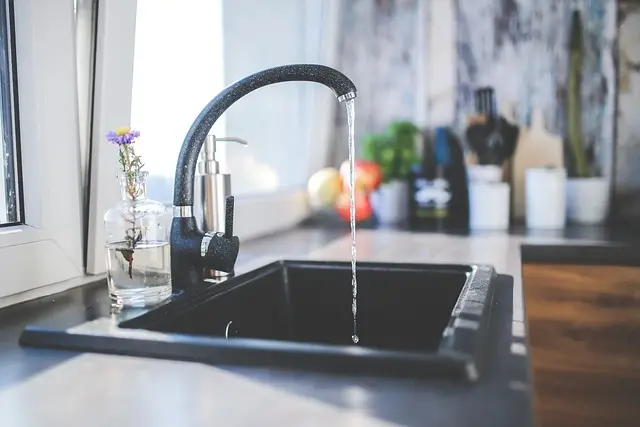
Water conservation is crucial in sustainable living, and appliance manufacturers are responding with innovative technologies. Dishwashers and washing machines equipped with sensors can determine the appropriate water level based on the load size, thus conserving water without compromising cleaning quality. According to the Environmental Protection Agency, using a dishwasher can save 5,000 gallons of water annually compared to handwashing, promoting an eco-friendly lifestyle.
Moreover, some appliances incorporate greywater systems that recycle water from sinks and showers for use in toilets or irrigation. This trend not only conserves water but also reduces the environmental impact on local water supplies. Investing in such appliances can help consumers contribute to water conservation efforts on a larger scale.
5. Modular and Repairable Appliances
Another emerging trend is the focus on modularity and repairability in appliance design. Instead of replacing entire units, consumers are now purchasing appliances that can be easily repaired or upgraded. Brands are increasingly offering options to replace or upgrade components rather than discarding the entire appliance. This not only promotes a sustainable lifestyle but also encourages consumers to think about the lifecycle of their appliances.
For instance, some brands are now offering modular kitchen appliances where you can swap out parts as they wear down rather than buying a brand-new machine. This trend reflects a move toward a circular economy where products are reused, repaired, and eventually recycled, significantly reducing waste.
📺 Resource Vidéo
To further explore sustainable appliance trends, check out the video titled "Top Sustainable Appliances for Your Home" on YouTube. Search for: sustainable appliances 2026 trends.

DIGICVAC ABS Car Vacuum Cleaner Portable Powerful Wireless Vacuum Cleaner Home Carpet Cleaner Home Appliance Mini Cleaning Machine
shop.simon.com

DIGICVAC ABS Car Vacuum Cleaner Portable Powerful Wireless Vacuum Cleaner Home Carpet Cleaner Home Appliance Mini Cleaning Machine
shop.simon.com

BELIBUY ABS Wireless Vacuum Cleaner Appliance Portable Powerful Handheld Vacuum Cleaner, Suitable for Cleaning Sofas Carpets and Debris
shop.simon.com
Comparison Table of Appliance Trends
| Trend | Benefits | Energy Savings | Cost Impact |
|---|---|---|---|
| Energy-Efficient | Reduced energy usage | Up to 50% | Rebates available |
| Smart Appliances | Remote monitoring and control | Variable | Potential savings |
| Sustainable Materials | Reduces resource demand | N/A | Often higher upfront |
| Water Conservation | Efficient water usage | Significant | Low operation costs |
| Modular Appliances | Easy repair/upgrades, reduced waste | N/A | Reduces long-term costs |
Glossaire
| Terme | Définition |
|---|---|
| Energy Star | A program that certifies energy-efficient products in the U.S., allowing consumers to save on energy costs. |
| Sustainable Materials | Resources sourced and processed to reduce environmental impact and promote recycling. |
| Modular Design | An approach that allows consumers to replace specific parts of a product rather than the entire unit, extending its life. |
Checklist avant achat
- [ ] Verify energy efficiency label
- [ ] Consider smart home integration
- [ ] Check for recyclable materials
- [ ] Look for water-saving features
- [ ] Confirm modular repair options
Conclusion
Incorporating these appliance trends for sustainable living into your home can not only enhance your lifestyle but also contribute positively to the environment. As we move forward in 2026, being mindful of the appliances we choose will be pivotal in promoting sustainability and reducing our ecological footprint. Stay informed, make conscious choices, and embrace these trends for a greener future. Discover our product recommendations below for eco-friendly appliance options that fit these trends.
📺 Pour aller plus loin : sustainable appliances 2026 trends sur YouTube
Recommended products
Selected by our experts

BELIBUY ABS Wireless Vacuum Cleaner Appliance Portable Powerful Handheld Vacuum Cleaner, Suitable for Cleaning Sofas Carpets and Debris
shop.simon.com