Table of Contents (12 sections)
Sustainable living has become a pivotal focus for households aiming to reduce their environmental impact. With appliances playing a significant role in our daily routines, understanding the latest sustainable appliance trends is crucial. In this article, we delve into the transformative trends of 2026, highlighting innovations that support eco-friendly lifestyles and promote energy efficiency.
Trend 1: Smart Appliances for Energy Efficiency
Smart appliances have revolutionized home management by optimizing energy usage. These devices can connect to an app, allowing users to monitor their energy consumption in real-time. According to a recent study by UFC-Que Choisir, homeowners using smart energy monitoring systems reported a 20% reduction in their energy bills. Smart refrigerators, washing machines, and thermostats can adjust their operation according to energy rates, which is especially beneficial during peak hours. As we move forward, these devices will play a crucial role in the push toward energy-efficient living, ultimately contributing to lower carbon footprints.
💡 Expert Opinion: Leveraging smart technology not only enhances convenience but also empowers users to make informed choices regarding energy consumption. Adopting AI-driven appliances could save substantial amounts on energy costs.
Trend 2: Eco-Friendly Materials and Construction
The trend toward eco-friendly appliances goes beyond functionality; it also encompasses the materials used in their construction. Manufacturers are increasingly sourcing sustainable materials, such as recycled metals and bioplastics, to create appliances that are both durable and environmentally friendly. For instance, Samsung and LG have been promoting refrigerators that use natural refrigerants, which have a significantly lower impact on global warming.
As consumers grow more eco-conscious, companies will likely continue to innovate in this area. The common aim is to produce high-quality, sustainable appliances that last longer and reduce the need for replacements, ultimately leading to less waste in landfills.
Superior Eco-Friendly Sustainable Cotton 6-Piece Bathroom Towel Set
bedbathandbeyond.com
GE Appliances 3 Pack MWF Refrigerator Water Filter for GE Bottom-Freezer Refrigerator
bedbathandbeyond.com

BELIBUY ABS Wireless Vacuum Cleaner Appliance Portable Powerful Handheld Vacuum Cleaner, Suitable for Cleaning Sofas Carpets and Debris
shop.simon.com
Trend 3: Water Conservation Appliances
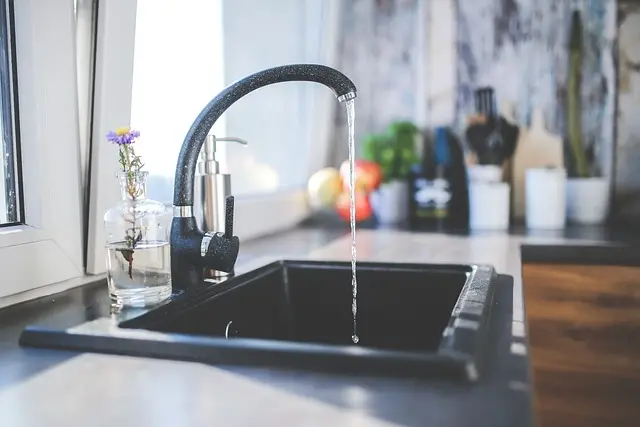
As the global water crisis intensifies, appliances that save water are more important than ever. New washing machines and dishwashers are being designed to use significantly less water while maintaining effectiveness. For instance, the latest dishwashers employ sensor technology to determine the soil level of dishes, adjusting the water and cycle accordingly. According to INSEE, household appliances are responsible for nearly 15% of domestic water usage; thus, innovations targeting this area can lead to substantial savings.
💡 Expert Insight: Transitioning to water-efficient appliances can not only save on water bills but also contribute to overall resource conservation. As legislation around water usage tightens, this trend will likely gain traction in both urban and rural areas.
Trend 4: Modular and Repairable Designs
Facing the throwaway culture, modular designs are marking a shift by making appliances repairable and upgradeable. The movement towards repairable appliances extends product lifespans and reduces waste, which is vital for sustainable living. For example, companies like Fairphone—known for its modular smartphones—are now inspiring appliance manufacturers to create designs that can easily be upgraded over time.
This trend signifies a greater consumer expectation for longevity and sustainability, encouraging manufacturers to rethink their product cycles and design processes. Instead of investing in entire new appliances, consumers can opt for upgrades or repairs.
Trend 5: Energy Star Certification Increase
In 2026, there has been a substantial increase in the number of appliances earning the Energy Star certification, which signifies that a product meets efficiency guidelines set by the U.S. Environmental Protection Agency. Approximately 75% of major home appliances on the market today are Energy Star certified. This trend reflects a broader commitment to combating climate change, as using Energy Star appliances can reduce greenhouse gas emissions.
Consumers are becoming more aware of the energy ratings of appliances, often comparing them before making purchases. This awareness is projected to increase as educational initiatives grow, influencing buying behaviors toward more sustainable options.
Data-Driven Analysis
To illustrate the impact of these trends, consider the following table comparing traditional appliances with their modern, sustainable counterparts:
| Feature | Traditional Appliance | Sustainable Appliance | Verdict |
|---|---|---|---|
| Energy Use (kWh/year) | 600 | 300 | Sustainable appliances are significantly more efficient. |
| Water Use (gallons/year) | 12,000 | 8,000 | Water-saving appliances reduce consumption by 33%. |
| Material Sustainability | Not prioritized | Recycled and sustainable materials | More eco-friendly options are emerging. |
| Repairability | Low | High | Modular designs enable longer use. |
- What are sustainable appliances?
Sustainable appliances are devices designed to minimize environmental impact through energy efficiency, sustainable materials, and longevity.
- How do smart appliances save energy?
Smart appliances utilize technology to optimize their operation, adjusting energy consumption based on usage patterns to reduce waste.
- Are repairable appliances more cost-effective?
Yes, modular and repairable appliances can save consumers money over time, as they reduce the need for full replacements.
- What is Energy Star certification?
Energy Star certification indicates that an appliance meets or exceeds specific energy efficiency guidelines, often resulting in lower energy bills and reduced environmental impact.

DIGICVAC ABS Car Vacuum Cleaner Portable Powerful Wireless Vacuum Cleaner Home Carpet Cleaner Home Appliance Mini Cleaning Machine
shop.simon.com

DIGICVAC ABS Car Vacuum Cleaner Portable Powerful Wireless Vacuum Cleaner Home Carpet Cleaner Home Appliance Mini Cleaning Machine
shop.simon.com

BELIBUY ABS Wireless Vacuum Cleaner Appliance Portable Powerful Handheld Vacuum Cleaner, Suitable for Cleaning Sofas Carpets and Debris
shop.simon.com
Glossary
| Term | Definition |
|---|---|
| Sustainable Appliance | An appliance designed to minimize environmental impact through energy efficiency and eco-friendly materials. |
| Energy Star | A certification indicating that an appliance meets energy efficiency guidelines set by the U.S. EPA. |
| Modular Design | A design approach allowing for repair and upgrades rather than complete replacement of an appliance. |
Checklist before Purchase
- [ ] Research Energy Star certifications.
- [ ] Compare water usage specifications.
- [ ] Look for modular appliance designs.
- [ ] Check the sustainability of materials used.
- [ ] Review consumer feedback on smart features.
Conclusion
The trends in sustainable appliances are shaping the future of home management, making it easier for consumers to live eco-friendly lives while also saving money. As we continue to embrace technology and sustainable practices, our homes can become models of efficiency and minimalism. Discover our recommended products below to help you make eco-conscious choices in your home today.
📺 Pour aller plus loin : sustainable appliance trends 2026 sur YouTube
Recommended products
Selected by our experts