Table of Contents (14 sections)
In the rapidly evolving landscape of home technology, smart appliance innovations are at the forefront of transforming how we interact with our living spaces. These devices integrate advanced technologies to create seamless, efficient, and intelligent home environments. With the rise of the Internet of Things (IoT), appliances are not just tools; they are becoming integral parts of our daily lives that enhance our comfort, productivity, and overall quality of life.
The Impact of Smart Appliances on Modern Living
Smart appliances represent a significant shift in household dynamics. They offer enhanced functionality through automation, remote control, and connectivity. For instance, smart refrigerators can monitor contents and suggest recipes based on available ingredients, helping reduce food waste. Moreover, homes equipped with smart technologies can lead to energy savings—smart thermostats, for example, can learn user habits and adjust heating and cooling systems accordingly, which can save homeowners as much as 10-12% on energy bills, according to U.S. Department of Energy.
The trend towards these innovations can be attributed to several factors:
- Convenience: Control your appliances from anywhere using a smartphone app or voice commands.
- Efficiency: Many smart devices are designed to optimize energy consumption.
- Safety: Appliances can notify users of potential hazards, such as a gas leak.
- Personalization: Customizable settings allow users to tailor their appliances to their preferences and schedules.
Key Trends in Smart Appliance Innovations
1. IoT Integration
Smart appliances are increasingly integrated with IoT capabilities, allowing them to communicate with each other and the user’s smartphone or smart home system. This connectivity enables features like remote monitoring, firmware updates, and smart assistants integration. According to Gartner, it is projected that by 2026, over 50 billion devices will be connected to the IoT, revolutionizing home management.
2. Energy Efficiency
As environmental concerns grow, energy-efficient smart appliances are gaining traction. Devices that optimize energy consumption not only support sustainability but also help homeowners save on utility costs. For example, Energy Star-rated appliances can use up to 50% less energy than their non-rated counterparts. The use of energy monitoring systems allows users to track energy use in real-time and make adjustments to reduce consumption.
3. Enhanced User Interfaces
Modern smart appliances come equipped with intuitive user interfaces, making them easy to operate even for those not tech-savvy. Touchscreens and voice commands simplify interaction. Manufacturers such as Samsung and LG have developed user-friendly interfaces that provide instant access to functions and features, enhancing user experience significantly.
4. Advanced Cooking Techniques
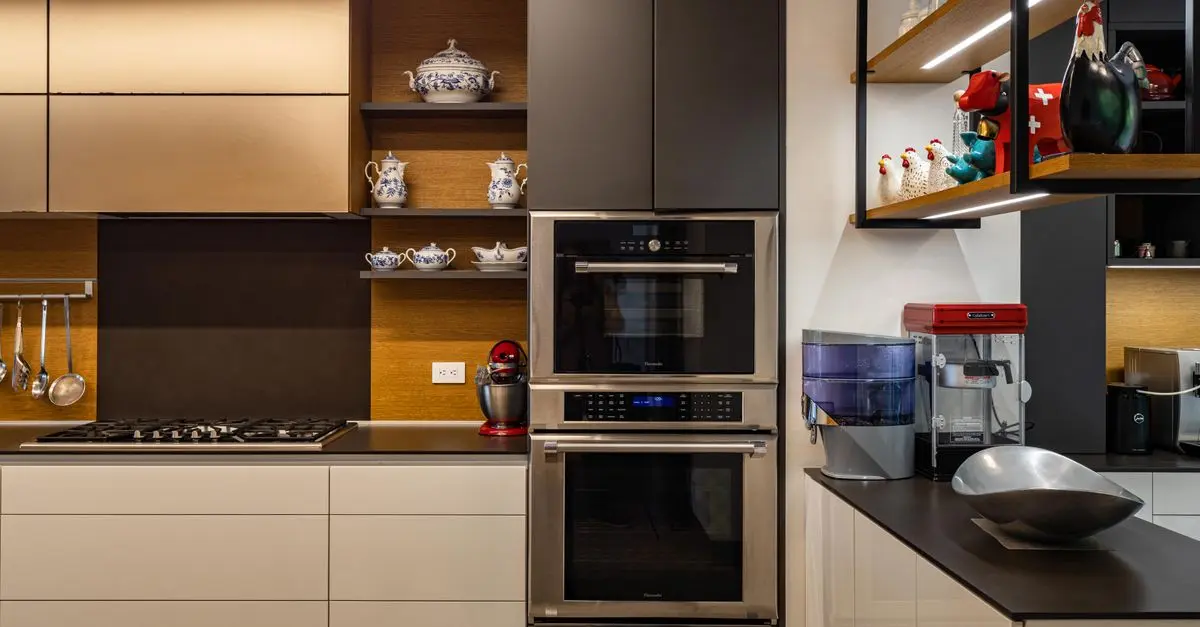
Smart kitchen appliances, like multi-cookers and ovens, offer settings that enable sous-vide cooking, slow cooking, and even air frying—all controlled via smartphone apps. These appliances help home chefs achieve professional results with minimal effort. Market research shows that the smart kitchen segment is expected to grow significantly, with consumers looking for convenience and quality in meal preparation.
5. Personal Health and Home Environment Monitoring
Health-conscious consumers are gravitating towards smart appliances that monitor their home environment. Devices like smart air quality monitors can assess indoor air quality and alert users to harmful pollutants, ensuring a healthier living space. According to EPA, indoor air can be two to five times more polluted than outdoor air, highlighting the importance of such innovations.
6. Customizable Smart Settings
Personalization is a growing trend, with many new smart appliances allowing users to create tailored settings for their needs. For instance, dishwashers can be programmed for various load types, adjusting water usage and cleaning cycles for optimal efficiency. These customizable options not only improve performance but also enhance overall satisfaction.
7. Voice Activation and AI
With the integration of virtual assistants like Amazon Alexa and Google Assistant, voice-activated smart appliances are becoming increasingly common. Users can operate devices hands-free, making cooking and cleaning more convenient. This ease of use enhances overall user satisfaction and encourages more widespread adoption of smart technologies in the home.

WHALL - 2 Slice Toaster, Toasters 2 slice, Smart Bread Toaster, Touchscreen Toaster wide slots - Stainless Steel
bestbuy.com


Comparison of Popular Smart Appliances
| Appliance Type | Feature | Brand A | Brand B | Verdict |
|---|---|---|---|---|
| Smart Refrigerator | Food monitoring | Brand A Model X | Brand B Model Y | Brand Y has better connectivity features |
| Smart Oven | Recipe assistance | Brand A Model Z | Brand B Model W | Brand A offers more cooking presets |
| Smart Dishwasher | Energy efficiency ratings | Brand A Model U | Brand B Model V | Both have similar ratings, but Brand V is compact |
| Smart Air Purifier | Air quality tracking | Brand A Model T | Brand B Model S | Brand A has smarter alert notifications |
This table illustrates the varied functionalities of popular smart appliances. Users should consider how specific features align with their lifestyle needs and preferences when choosing between options.
Conclusion
The future of home living is undoubtedly intertwined with smart appliance innovations that prioritize connectivity, efficiency, and health. As technology continues to advance, these devices promise to enhance our living conditions while promoting sustainable practices. By investing in smart appliances, homeowners can enjoy a higher quality of life through convenience and automation.
📺 For further insights: Search on YouTube for "smart home appliance innovations 2026" for a complete breakdown of current trends.
Checklist before purchase
- [ ] Assess compatibility with existing smart home systems
- [ ] Compare energy efficiency ratings
- [ ] Read user reviews and ratings
- [ ] Check for warranty and customer service options
- [ ] Consider the appliance's size and features
Glossary
| Term | Definition |
|---|---|
| IoT | The Internet of Things refers to interconnected devices that communicate with each other and can be monitored remotely. |
| Energy Star | A program that certifies appliances for their energy efficiency, helping consumers identify environmentally friendly products. |
| Smart Home | A residence equipped with devices that automate and control systems, enhancing the efficiency and convenience of daily activities. |
---
📺 Pour aller plus loin : smart home appliance innovations 2026 sur YouTube
Recommended products
Selected by our experts
WHALL - 2 Slice Toaster, Toasters 2 slice, Smart Bread Toaster, Touchscreen Toaster wide slots - Stainless Steel
bestbuy.com
This smart toaster allows for customizable settings, ensuring perfect toast every time and fits into any modern kitchen.
Thor Kitchen - 24" Dishwasher - Stainless Steel
bestbuy.com
A versatile dishwasher that offers advanced cleaning features and integrates effortlessly into smart homes.
Govee Smart Plug Outlet Extender With Night Light - 1 Pack
govee.com
This smart plug is perfect for controlling multiple devices and monitoring energy consumption intelligently.