Table of Contents (12 sections)
As we step into 2026, the world of home appliances continues to evolve, seamlessly integrating technology with home efficiency and comfort. This article explores the latest appliance trends reshaping modern homes, highlighting innovations, aesthetics, and sustainability.
1. Smart Appliances
Smart appliances have transcended from being mere gadgets to essential components of modern living spaces. Brands like Samsung, LG, and Whirlpool focus on incorporating Internet of Things (IoT) technology in their latest models. This advancement allows homeowners to control and monitor appliances remotely via smartphones.
For instance, smart refrigerators can track inventory, suggest recipes based on available ingredients, and notify users when items are running low. According to a recent study by Statista, the smart home appliance market is projected to reach over $70 billion by 2028, growing at a CAGR of 25%. This trend not only enhances convenience but also offers savings on energy consumption through optimized usage schedules.
💡 Expert Insight: Users report that smart appliances save them an average of 15% on energy costs annually due to their automated energy-saving features.
2. Energy Efficiency
The push for energy-efficient appliances is gaining momentum in 2026. Governments worldwide are setting stricter regulations on energy consumption, compelling manufacturers to innovate. Appliances labeled with the Energy Star certification consume significantly less energy, thus reducing greenhouse gas emissions.
Models such as efficient washing machines and dishwashers not only consume less water but also optimize energy use. For example, the U.S. Department of Energy states that modern ENERGY STAR-rated dishwashers use approximately 12% less energy than standard models. As consumers become more environmentally conscious, investing in energy-efficient models becomes both an economical and green choice.
3. Eco-Friendly Materials
Sustainability does not stop at energy efficiency; it also extends to the materials used in appliance production. Manufacturers are increasingly opting for sustainable materials, like recycled plastics and metals, and eco-friendly finishes. For example, Bosch is producing dishwashers and washing machines from 85% recycled materials.
In addition to environmental benefits, consumers are drawn to the aesthetic appeal of these products. Eco-friendly materials can often be designed to have a modern appearance without compromising durability. The 2026 Consumer Electronics Show (CES) highlighted eco-friendly appliances making a significant impact in the market, catering to the growing demand for sustainable living.
4. Multi-Functional Appliances
As homes become smarter, the trend towards multi-functional appliances is rising. Rather than buying separate devices, consumers are looking for appliances that can perform multiple tasks. For instance, instant pots that can pressure cook, slow cook, steam, and sauté have become immensely popular.
This trend not only saves space, particularly in smaller homes, but also reduces costs for consumers. According to Research and Markets, the multi-functional appliance market is expected to grow by 20% in the next five years. These appliances simplify cooking, enhance kitchen efficiency, and cater to diverse culinary tasks all in one unit.
5. Personalized Experiences
Today’s consumers desire appliances that cater to their unique preferences and lifestyles. Smart ovens from companies like GE now feature customizable settings based on various cooking styles, allowing users to choose how they want their food prepared. This level of personalization reflects a shift from one-size-fits-all products to tailored solutions.
Furthermore, algorithms in these smart devices adapt according to users’ cooking behavior, ensuring perfect results every time. Expectations are that personalizing features of kitchen appliances will redefine user experience and satisfaction in the coming years.
6. Touchless Technology
As hygiene becomes a significant concern in households, touchless technology is emerging as a must-have feature in modern appliances. From faucets that activate with a wave of the hand to voice-activated dishwashers, this innovation enhances convenience and cleanliness.
Moen has pioneered touchless kitchen faucets that enable hands-free operation—particularly useful during meal prep. Research indicates a 40% increase in consumer interest in touchless appliances as awareness of hygiene continues to heighten. Touchless features not only foster a cleaner environment but also simplify daily tasks for families.
7. Integration with Home Design
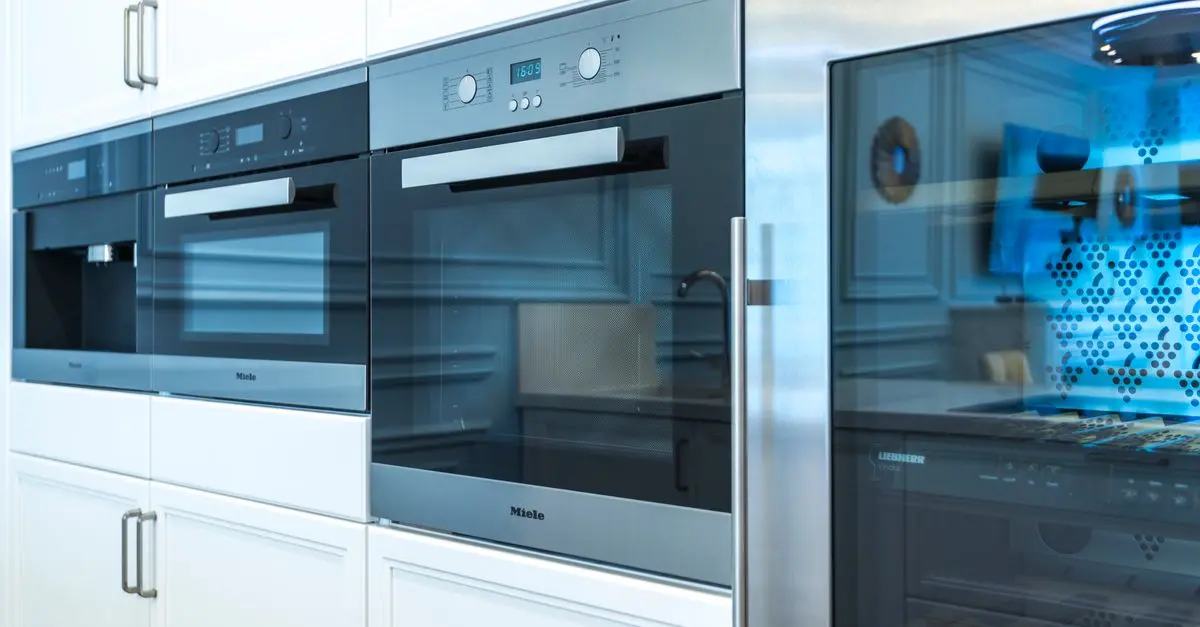
In 2026, appliance design is not just about functionality but also aesthetics. Consumers are seeking appliances that blend seamlessly with their home interiors. The trend towards built-in appliances that match cabinetry is becoming far more prevalent.
Companies are offering various color and finish options, enabling consumers to harmonize their appliances with the overall decor. For example, Sub-Zero’s built-in fridge options come in customizable finishes that cater to modern design sensibilities, ensuring that essential appliances add to a home’s beauty rather than detract from it.
8. Connected Kitchens
The concept of a connected kitchen has become a reality, allowing different appliances to communicate with each other for a cohesive user experience. From refrigerators that communicate with ovens to alert you of cooking times or temperatures, this interconnectedness simplifies kitchen operations.
Whirlpool's kitchen ecosystem enables users to manage multiple appliances through a single app, creating a streamlined cooking experience. With the rise of connected homes, we can predict this trend to expand even further into every kitchen. By 2027, over 50% of homes may have interconnected appliances as standard, presenting an exciting frontier for developers and homeowners alike.
📺 Resource Video
> For more insight: Explore the latest trends in home appliances for 2026, and how they shape our living spaces. Search on YouTube: latest appliance trends 2026.
Glossary
| Terme | Définition |
|---|---|
| IoT | Internet of Things; network of devices connected to the internet. |
| Energy Star | A label for energy-efficient products providing significant energy savings. |
| Touchless Technology | Technology that allows operation without physical contact, enhancing hygiene. |
Checklist avant achat
- [ ] Vérifier l'efficacité énergétique des appareils
- [ ] Comparer les matériaux utilisés dans leur fabrication
- [ ] Considérer des appareils multifonctionnels pour gagner de l'espace
- [ ] Évaluer les fonctionnalités de personnalisation disponibles
- [ ] Inspecter les options de design pour l'intégration à votre maison
🧠 Quiz rapide : Quel est l'avantage principal des appareils intelligents ?
- A) Économie d'énergie
- B) Fonctionnalités avancées
- C) Aucune amélioration
Réponse : B — Les appareils intelligents offrent des fonctionnalités avancées qui améliorent l'efficacité et la commodité.
📺 Pour aller plus loin : latest appliance trends 2026 sur YouTube