Table of Contents (11 sections)
As we navigate through 2026, the demand for energy-efficient appliances continues to grow. This trend is driven by increasing utility costs, environmental awareness, and technological innovation. Homeowners are becoming more conscious of their energy consumption, seeking ways to reduce their carbon footprint while saving on energy bills. Here’s a closer look at the crucial trends shaping the landscape of home appliances today.
Smart Appliances
Smart appliances are revolutionizing how we manage energy consumption in our homes. These devices connect to the internet, allowing users to monitor and control them remotely via smartphones or smart home systems. For instance, smart thermostats optimize heating and cooling schedules based on occupancy patterns, potentially saving homeowners up to 10-20% on their energy bills.
Moreover, smart refrigerators provide energy usage data that helps consumers track their appliance consumption and adjust usage to peak energy times for greater savings. According to a report from UFC-Que Choisir, smart appliances can lead to a reduction of up to 15% in overall energy consumption when used efficiently.
Analysis: The integration of smart technology not only enhances convenience but also promotes mindful consumption, making it easier for homeowners to engage with their energy use.
Energy Star Ratings
The Energy Star label continues to be a significant factor influencing appliance purchasing decisions. In 2026, appliances with Energy Star ratings are designed to use at least 10-50% less energy compared to their non-certified counterparts. These ratings help consumers make informed choices, ensuring they invest in products that adhere to high energy efficiency standards.
Studies show that Energy Star certified washers and dryers, for example, use approximately 25% less energy and 33% less water, making them a wise choice for eco-conscious individuals. With rising energy costs, appliances with high Energy Star ratings are increasingly being sought after as a long-term investment.
Analysis: As consumer awareness of energy efficiency increases, manufacturers are compelled to innovate, yielding appliances that not only consume less energy but also have lower operational costs.
Eco-Friendly Materials
A growing trend in appliance manufacturing is the utilization of eco-friendly materials. In response to demands for sustainability, brands are increasingly using recycled plastics, metal, and other renewable materials in their products. This shift not only helps reduce waste but also minimizes the energy required during manufacturing.
For example, companies like Samsung and LG have introduced home appliances made from 30% or more recycled materials, significantly lowering their carbon footprint. This approach resonates with environmentally conscious consumers and demonstrates a commitment to sustainability in appliance manufacturing.
Analysis: The trend toward eco-friendly materials reflects a broader movement towards sustainability in all sectors, encouraging consumers to consider the environmental impact of every purchase.
Improved Energy Efficiency Technologies
Advances in energy efficiency technology are continuously evolving. In 2026, technologies such as inverter motors in washing machines and variable-speed compressors in refrigerators are becoming mainstream. These innovations allow appliances to adjust their energy consumption dynamically, optimizing performance based on real-time needs.
For instance, inverter technology in refrigerators helps maintain consistent temperatures without excessive energy use, while washing machines equipped with these motors can save over 30% energy compared to traditional models.
Analysis: The steady improvement in appliance efficiency technologies ensures longer-lasting products with better performance, appealing to consumers' desires for both sustainability and utility.
Energy Monitoring Systems
Energy monitoring systems are emerging as valuable tools for homeowners aiming to enhance their energy efficiency. By tracking the electrical usage of various appliances, these systems provide insights into energy consumption patterns and identify opportunities for savings. Some advanced systems can even recommend specific energy-efficient appliances based on historical use.
According to research from 60 Millions de Consommateurs, households utilizing energy monitoring systems report an average reduction of 15% in monthly electricity costs after just a few months of usage. This trend aligns consumer intention with actionable practices that promote energy conservation.
Analysis: As homes become more interconnected, energy monitoring systems are essential for nurturing an informed consumer base capable of making sustainable decisions.
Integration of Renewable Energy
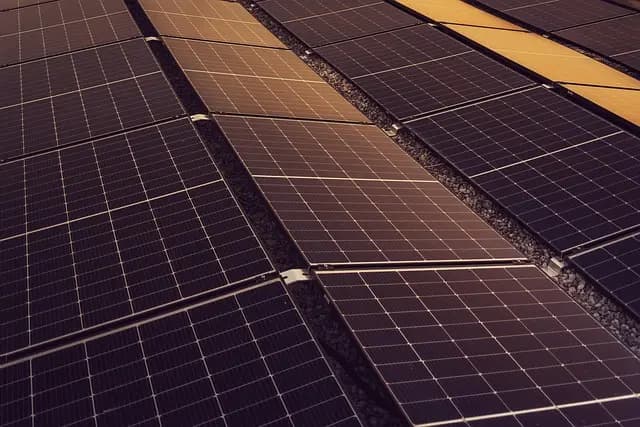
Finally, the integration of renewable energy sources with home appliances is a forward-looking trend that is gaining traction. Many modern home appliances are designed to be compatible with solar panels or other renewable energy installations. This synergy allows homeowners to reduce their reliance on traditional power sources and lower their utility bills significantly.
Energy storage systems combined with appliances can lead to higher overall energy savings, proving beneficial both financially and environmentally. Current data indicates that homes using renewable energy sources can save up to 60% on their electricity costs, fundamentally changing how consumers approach energy usage.
Analysis: The move towards renewable energy integration promotes a transformative shift towards energy independence and sustainability for homes across the globe.
📺 For more insights: Understanding Energy Efficiency Trends for Homes in 2026, search on YouTube: "energy efficiency trends 2026."
Checklist before upgrading your appliances
- [ ] Check for Energy Star certification.
- [ ] Investigate smart technology options.
- [ ] Look for eco-friendly materials in products.
- [ ] Evaluate the benefits of energy monitoring systems.
- [ ] Consider compatibility with renewable energy sources.
GE Appliances 3 Pack MWF Refrigerator Water Filter for GE Bottom-Freezer Refrigerator
bedbathandbeyond.com

DIGICVAC ABS Car Vacuum Cleaner Portable Powerful Wireless Vacuum Cleaner Home Carpet Cleaner Home Appliance Mini Cleaning Machine
shop.simon.com

DIGICVAC ABS Car Vacuum Cleaner Portable Powerful Wireless Vacuum Cleaner Home Carpet Cleaner Home Appliance Mini Cleaning Machine
shop.simon.com
Glossaire
| Terme | Définition |
|---|---|
| Inverter Technology | Technologie permettant de réguler la consommation d'énergie dans les appareils électroménagers en fonction des besoins réels. |
| Energy Star | Certification qui identifie les appareils utilisant moins d'énergie que d'autres modèles comparables. |
| Eco-Friendly Materials | Matériaux recyclés ou renouvelables utilisés dans la fabrication d'appareils visant à réduire l'impact environnemental. |
{
Recommended products
Selected by our experts
Uplifted Trends Breathable Zero Pressure Cervical Neck Pillow Washable TPE Latex Support For Neck Pain Relief no Pillowcase
inspireuplift.com