Table of Contents (12 sections)
In the rapidly evolving world of home appliances, 2026 brings several notable trends aimed at enhancing efficiency and sustainability. Homeowners are increasingly prioritizing appliance trends that not only reduce energy consumption but also improve overall comfort and convenience. This article explores the key trends that can help optimize your home efficiency.
1. Smart Home Integration
The integration of smart technology into household appliances is one of the most significant trends of 2026. Smart appliances can be connected via home networks, allowing users to remotely monitor and control their energy use. For example, a smart refrigerator can notify users when food is nearing expiration and suggest recipes based on the contents. According to a recent survey by UFC-Que Choisir, about 70% of homeowners are considering or already utilize smart devices to enhance efficiency. This trend not only promotes healthier lifestyles but also leads to significant energy savings, as users can customize settings based on their routines. By utilizing energy-efficient settings, homeowners can save up to 30% on their energy bills.
2. Energy-Efficient Appliances
With the ongoing climate crisis, energy efficiency remains a top priority. In 2026, more manufacturers are producing appliances that comply with stricter energy consumption standards. Washing machines and dishwashers, for instance, now boast improved Energy Star ratings, emphasizing lower water usage and energy consumption. A study from the ADeme shows that optimized appliances can lead to a reduction of household energy usage by 20%. Investing in these appliances not only contributes to environmental sustainability but also yields long-term savings in utility bills. Homeowners are advised to research and select products that feature the latest efficiency technologies.
3. Sustainable Materials
As consumers become more conscious of their environmental impact, the demand for appliances made from sustainable materials continues to rise. In 2026, manufacturers are increasingly turning to recyclable or biodegradable materials for appliance construction. This shift not only reduces waste but often leads to more durable products. For example, some brands are using recycled metals and plastics in manufacturing kitchen appliances. According to 60 Millions de Consommateurs, products with sustainable materials are projected to increase in market share by 25% by 2027. Prioritizing these appliances not only benefits the environment but can attract eco-conscious buyers, enhancing resale value.
4. Modular Appliances
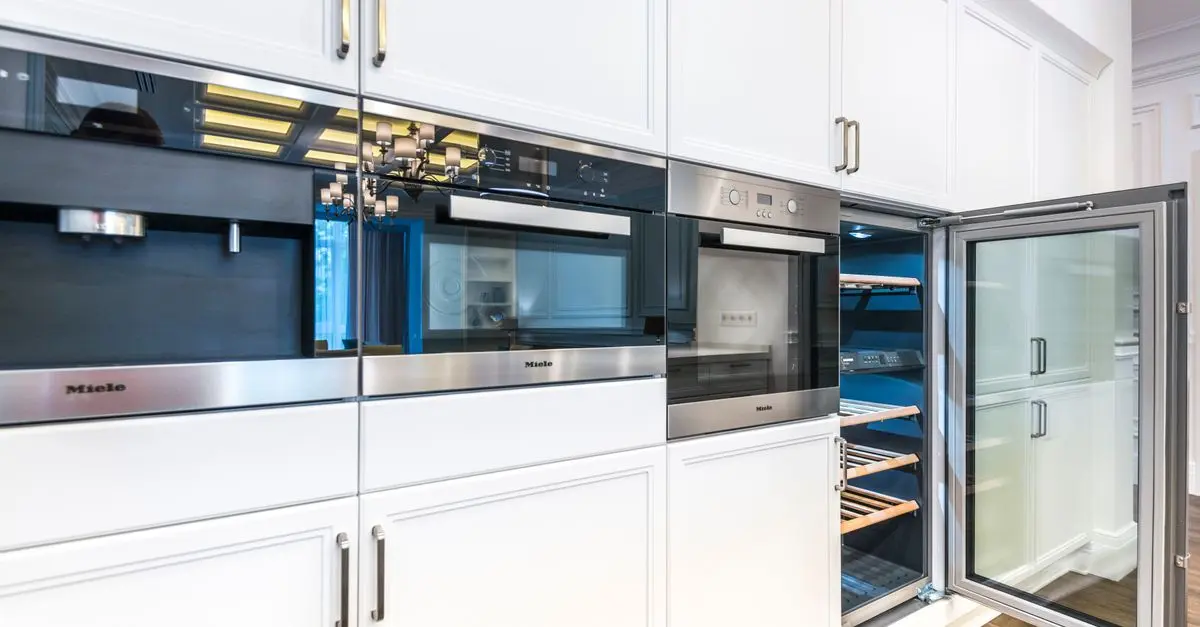
Modular design is an emerging trend that enables homeowners to customize their appliances according to specific needs. Instead of purchasing an entire unit, consumers can opt for modular components that serve different functions. For instance, a modular oven can include additional components like a steaming function or a slow-cooker module. This adaptability not only saves space but allows for more efficient cooking and energy use. According to market research, the modular appliance sector is predicted to see a growth of over 30% in the next few years. Homeowners can adjust their kitchen setups without committing to large-scale renovations, which is especially valuable in smaller homes.
5. Water and Energy Conservation Technologies
Water scarcity and energy costs are prompting manufacturers to develop appliances equipped with advanced conservation technologies. In 2026, innovations such as low-flow faucets in dishwashers and intelligent irrigation systems for washing machines will save water without compromising performance. An analysis from the INSEE indicates that households can reduce water usage by up to 40% with these technologies. This trend not only helps to conserve valuable resources but can significantly lower monthly utility bills. Homeowners should seek appliances that feature water-saving certifications to maximize utility savings.
6. Enhanced User Interfaces
Improved user interfaces make modern appliances easier to use and manage. In 2026, touchscreen controls, voice commands, and mobile app connectivity are standard features that enhance user experience. These innovations not only make appliances more intuitive but also allow users to track energy use directly from their smartphones. Research conducted by Les Numériques shows that user-friendly interfaces increase the likelihood of consumers using energy-saving settings. This advancement leads to more effective behavior changes in energy consumption.
7. Repairable Appliances
As the repair and sustainability movement gains traction, 2026 sees a growing emphasis on making appliances easier to repair. More brands are designing products with removable parts and offering extensive repair guides, ensuring that consumers can maintain their devices longer. According to a report by ADEME, promoting repairable appliances can lead to an estimated 15% reduction in e-waste. Homeowners investing in repairable models can save money and reduce their ecological footprint by minimizing the need for new purchases.
📺 For further insights:
Explore our video titled "Innovative Home Appliances for 2026" for a deep dive into these trends!
Comparison Table of Appliance Trends in 2026
| Trend | Advantages | Disadvantages | Market Impact |
|---|---|---|---|
| Smart Home Integration | Convenience & remote access | High initial cost | Growing rapidly |
| Energy-Efficient Appliances | Long-term cost savings | Higher upfront investment | Dominating market segments |
| Sustainable Materials | Eco-friendly & durable | Limited options | Increasing consumer interest |
| Modular Appliances | Customizable & space-saving | Complexity of assembly | Rapid growth projected |
| Water/Energy Conservation | Resource savings & efficiency | Initial learning curve | Significant increase anticipated |
| Enhanced User Interfaces | Better usability & tracking | May require updates | High consumer demand |
| Repairable Appliances | Longer lifecycle & sustainability | Potentially higher upfront costs | Growing awareness and adoption |
Glossary
| Term | Definition |
|---|---|
| Smart Appliances | Devices that can be controlled via the internet or mobile apps. |
| Energy Star | U.S. program that promotes energy efficiency in appliances. |
| Modular Design | A system of interchangeable parts that enhance functionality and customization. |
> 🧠 Quick Quiz: What appliance trend is most beneficial for reducing energy consumption?
> - A) Smart Home Integration
> - B) Modular Appliances
> - C) Sustainable Materials
> Answer: A — Smart Home Integration allows for efficient energy management through remote control.
📺 Pour aller plus loin : best smart appliances for home efficiency 2026 sur YouTube
Recommended products
Selected by our experts