Table of Contents (13 sections)
The world of smart appliances is rapidly evolving, with innovations reshaping how we interact with our living spaces. In 2026, it is essential to understand the key trends that define the landscape of smart appliances and how they can enhance our lives.
1. Integration with Smart Home Ecosystems
Smart appliances are becoming increasingly integrated with broader smart home systems. Devices can now communicate seamlessly with each other, allowing users to control multiple components from a single interface. For instance, a smart refrigerator can coordinate with energy management systems to optimize power consumption based on user habits. According to a recent survey by Statista, 75% of consumers prefer devices that can connect with home automation systems. This trend not only simplifies user experience but also emphasizes energy efficiency, contributing to sustainable living.
2. Artificial Intelligence Enhancements
The integration of artificial intelligence (AI) in smart appliances significantly enhances their functionality and user experience. AI-driven algorithms can learn user preferences, providing personalized recommendations and automating routine tasks. For example, a smart oven can adjust cooking times and temperatures based on the recipe and the user's past cooking habits. This results in perfectly cooked meals with minimal user intervention. AI technology is projected to grow in the smart home market, with analysts estimating a compound annual growth rate (CAGR) of over 25% in the coming years.
3. Energy Efficiency and Sustainability
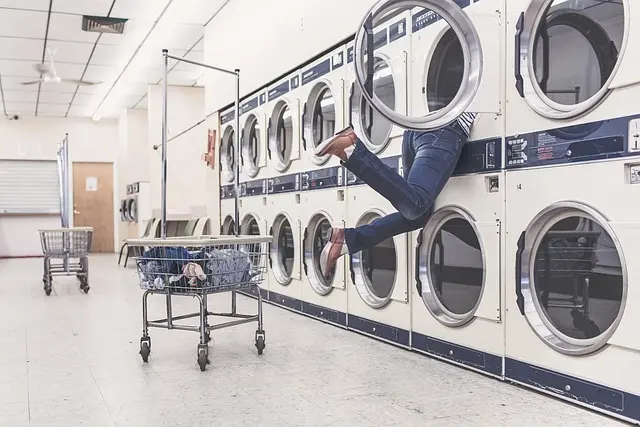
As environmental concerns rise, energy-efficient smart appliances are gaining prominence. Manufacturers are focusing on energy-saving technologies that help reduce carbon footprints. Devices are equipped with sensors that monitor energy usage and adjust operations accordingly. According to the U.S. Department of Energy, modern energy-efficient appliances can save users up to $300 annually. Innovations like smart washing machines can optimize water and energy usage based on laundry loads, contributing to sustainable living.
4. Health and Wellness Features
2026 has seen a significant push towards appliances that promote health and wellness. For instance, smart refrigerators can monitor the freshness of food items and alert users when produce is nearing spoilage, helping reduce food waste. Additionally, some appliances are now equipped with air quality sensors, which can monitor indoor pollution levels and suggest ventilation strategies. According to a report from World Health Organization, improved indoor air quality can enhance overall health, making this trend essential for modern homes.
5. Voice and Gesture Control
The convenience of voice and gesture control features has made smart appliances more user-friendly. With the rise of voice assistants like Amazon Alexa and Google Assistant, users can now control appliances through simple voice commands. Smart appliances equipped with gesture recognition can also respond to user commands without the need for physical contact. This trend is especially valuable for individuals with mobility challenges. A Gartner report indicates that voice control capabilities are expected to be a standard feature in most new appliances by 2028.
6. Improved Security Features
As smart appliances connect to the internet, security is a top concern. Manufacturers are now prioritizing enhanced security features, including encryption protocols and secure user authentication methods. Smart cameras, doorbells, and locks can integrate with appliances to create comprehensive security systems, offering real-time alerts and remote access. A survey conducted by Pew Research Center revealed that 60% of users are more likely to purchase smart devices equipped with robust security features, highlighting the growing importance of security in consumer decision-making.
7. Customization and Personalization
The ability to customize and personalize devices is becoming a primary focus in the smart appliance market. Users can tailor functionalities and appearances to suit their specific needs and preferences. For instance, smart dishwashers can offer adjustable wash cycles based on load types, while cookers may come with customizable presets for different cuisines. This emphasis on personalization not only enhances user satisfaction but also encourages user loyalty, as demonstrated by a recent study published in the Journal of Consumer Research.
📺 Resources Video
> 📺 For further insights: Exploring the Future of Smart Appliances, a comprehensive overview of upcoming trends. Search on YouTube: smart appliance trends 2026.
Comparison of Smart Appliance Trends
| Trend | Advantage | Major Players | Limitations |
|---|---|---|---|
| Smart Home Integration | Simplified control and efficiency | Google, Amazon | Initial setup complexity |
| AI Enhancements | Personalized experiences | Samsung, LG | Privacy concerns |
| Energy Efficiency | Lower utility bills | Bosch, Whirlpool | Upfront cost |
| Health Features | Improved quality of life | Philips, Dyson | Limited availability |
| Voice Control | Hands-free operation | Amazon, Apple | Compatibility issues |
| Security Features | Increased peace of mind | Ring, Arlo | Potential hacking risks |
| Customization | Tailored user experiences | KitchenAid, GE | Performance trade-offs |
Glossary
| Term | Definition |
|---|---|
| Smart Appliances | Devices connected to the internet, capable of remote operation. |
| AI | Technology that enables machines to perform tasks typically requiring human intelligence. |
| Energy Efficiency | The goal of reducing energy consumption without sacrificing performance. |
GE Appliances 3 Pack MWF Refrigerator Water Filter for GE Bottom-Freezer Refrigerator
bedbathandbeyond.com


BELIBUY ABS Wireless Vacuum Cleaner Appliance Portable Powerful Handheld Vacuum Cleaner, Suitable for Cleaning Sofas Carpets and Debris
shop.simon.com
Checklist Before Purchase
- [ ] Assess compatibility with existing smart home systems.
- [ ] Research energy consumption ratings.
- [ ] Confirm the availability of user-friendly controls.
- [ ] Ensure security measures are in place.
- [ ] Look for customization options that fit lifestyle needs.
💡 Expert Opinion: The growth of smart appliances signifies a larger shift towards integration and automation in households, ultimately enhancing convenience while promoting sustainability.
In conclusion, the landscape of smart appliances is evolving rapidly, driven by technology and consumer demands. As we embrace these advancements, choosing the right appliances will not only uplift our living environments but also enhance our overall lifestyles. Stay informed of these trends as they will shape home experiences for years to come.
📺 Pour aller plus loin : 16 New Innovative Kitchen Gadgets & Appliances To Get In 2026 sur YouTube
Recommended products
Selected by our experts
Uplifted Trends Breathable Zero Pressure Cervical Neck Pillow Washable TPE Latex Support For Neck Pain Relief no Pillowcase
inspireuplift.com