Table of Contents (9 sections)
As the world increasingly focuses on sustainability, energy-efficient appliances have risen to prominence. These appliances not only conserve energy but also help reduce utility bills, making them a win-win for consumers and the environment. In this blog, we explore the latest trends in energy-efficient appliances and their impact on sustainable living.
What are Energy-Efficient Appliances?
Energy-efficient appliances are designed to use less energy while maintaining the same level of performance. This is achieved through advanced technologies that optimize energy use, minimizing waste. The benefits of these appliances extend beyond saving on energy costs; they also contribute to reducing greenhouse gas emissions, aligning with goals of sustainable living.
According to the U.S. Department of Energy, energy-efficient products use 10-50% less energy than standard products. This reduction not only supports environmental sustainability but also leads to significant savings over time. With the global push towards energy conservation, governments are incentivizing consumers to make the switch. For example, some states offer rebates for purchasing Energy Star® certified appliances, which can be a considerable financial boon for homeowners.
Procedural Steps to Choosing Energy-Efficient Appliances
When considering an energy-efficient appliance purchase, follow these steps:
- Assess Your Needs: Determine what appliances need replacement based on age and functionality.
- Check Energy Ratings: Look for the Energy Star® label or other certifications that indicate efficiency.
- Evaluate the Features: Consider additional features that may enhance energy savings, such as smart technology.
- Read Reviews: Explore various consumer reviews and expert evaluations for performance insights.
- Compare Costs: Analyze the initial purchasing cost versus long-term savings on energy bills.
Taking these steps can lead you to the best choices for energy-efficient appliances that fit your budget and lifestyle, promoting a greener home.
Major Trends in Energy-Efficient Appliances (2026)
1. Smart Appliances
Smart technology is one of the leading trends in energy-efficient appliances. These devices optimize energy consumption by learning user habits and adjusting their operation accordingly. For instance, smart thermostats can efficiently manage heating and cooling, significantly lowering energy usage. According to Energy Star®, homes with smart appliances can save approximately 15% on energy bills annually, transforming everyday routines into energy-saving opportunities. This integration of smart technology encourages users to become more conscious of their energy consumption.
2. Improved Energy Ratings
The Energy Star® label is becoming more stringent, pushing manufacturers to innovate further in efficiency. In 2026, several brands are introducing appliances that are 50% more efficient than previous models. For example, energy-efficient refrigerators maintain consistent temperatures while utilizing less energy. This progression indicates an industry-wide commitment to energy-saving standards, encouraging consumers to switch to modern models that contribute to lower electricity demands.
3. Sustainable Materials
Another emerging trend involves the use of reclaimed and recycled materials in appliance manufacturing. This not only minimizes waste but also reduces the environmental impact of producing new materials. Many brands highlight their commitment to sustainability, showcasing products made from eco-friendly materials without sacrificing performance. For instance, appliances utilizing recycled plastics can appeal to environmentally conscious consumers looking to reduce their carbon footprint.
4. Compact and Multi-functional Designs
As living spaces become smaller, manufacturers are designing compact energy-efficient appliances that serve multiple functions. For example, a washer-dryer combo saves space and energy while meeting laundry needs. The demand for these innovative designs aligns with trends toward urban living and sustainability, offering consumers the convenience of efficiency without occupying much space. According to INSEE, over 35% of households in urban areas are interested in compact appliances, emphasizing the need for versatility and efficiency.
5. Enhanced User Interfaces
Many energy-efficient appliances feature enhanced user interfaces, making them easier to operate and monitor. Touch screens and app connectivity allow users to manage their appliances remotely, ensuring they only use energy when necessary. This feature is particularly observed in smart dishwashers and washing machines that can be programmed to operate during off-peak energy hours, maximizing savings for users. As technology advances, the integration of these user-friendly interfaces will likely lead to greater adoption of energy-efficient solutions.
6. Focus on Lifecycle Assessments
Consumers are becoming more aware of the comprehensive environmental impacts of appliances, prompting manufacturers to conduct lifecycle assessments. This addresses the energy used during not just operation but also production and disposal. Brands that transparently share their lifecycle impact appeal more to educated consumers who prioritize sustainability, thereby influencing purchasing decisions.
Comparative Analysis: Energy-Efficient Appliances vs. Standard Appliances
| Criteria | Energy-Efficient Appliances | Standard Appliances | Verdict |
|---|---|---|---|
| Energy Consumption | 30-50% Less | Standard Levels | Energy-efficient wins |
| Cost of Operation | Lower Bills | Higher Over Time | Energy-efficient is better |
| Environmental Impact | Reduced CO2 Emissions | Higher CO2 Emissions | Energy-efficient is superior |
| Initial Cost | Higher (usually) | Lower (standard) | Depends on budget |
This comparison clearly shows that while the upfront investment in energy-efficient appliances might be higher, the long-term savings and environmental benefits far outweigh the costs.
- What are the main benefits of energy-efficient appliances?
Energy-efficient appliances reduce energy consumption, lower utility bills, and help decrease greenhouse gas emissions.
- How do I know if an appliance is energy-efficient?
Look for the Energy Star® label or check for certification from recognized energy efficiency programs.
- Are energy-efficient appliances more expensive?
They can have a higher initial cost but offer significant savings on energy bills over their lifetime.
- What kinds of appliances are available in energy-efficient versions?
Most home appliances, including refrigerators, washers, dryers, and dishwashers, come in energy-efficient models.
Checklist before Purchase
- [ ] Assess which appliances need replacing
- [ ] Check for Energy Star® certification
- [ ] Evaluate features for energy efficiency
- [ ] Read consumer reviews
- [ ] Compare initial costs with long-term savings
Glossary
| Terme | Définition |
|---|---|
| Energy Star | A certification label for products that meet energy efficiency guidelines set by the U.S. EPA. |
| Smart Appliance | An appliance equipped with internet connectivity and features that allow remote operation and monitoring. |
| Lifecycle Assessment | A technique used to evaluate the environmental impact of a product throughout its life cycle, from production to disposal. |
📺 Pour aller plus loin : Understanding the benefits of smart appliances and energy efficiency, a comprehensive overview. Search on YouTube: "smart appliances energy efficiency 2026".
Deciding on energy-efficient appliances can greatly benefit both your wallet and the environment. By keeping up with these trends, consumers can make informed choices that support sustainability.
Recommended Products
- Product 1: This energy-efficient appliance reduces water usage and energy consumption, making it a great addition to any home.
- Product 2: A high-quality water filter that ensures clean and fresh water while being eco-friendly.
- Product 3: Compact appliances designed for urban living, perfect for those seeking efficiency in small spaces.
📺 Pour aller plus loin : smart appliances energy efficiency 2026 sur YouTube
Recommended products
Selected by our experts
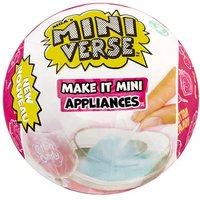
Jeu créatif Miniverse MGA's Make It Mini Appliances Series 2 in PDQ
Fnac FR
This creative playset allows kids to explore the concept of energy-efficient appliances in a fun and engaging way, fostering early conversations about sustainability.
GE Appliances 3 Pack MWF Refrigerator Water Filter for GE Bottom-Freezer Refrigerator
bedbathandbeyond.com
This premium water filter ensures clean drinking water, an essential aspect of health and sustainability in energy-efficient homes.