Table of Contents (8 sections)
In the ongoing quest for sustainability, the role of home appliances has evolved significantly. As we embrace 2026, these appliance trends for sustainable living highlight how innovations can reduce our environmental impact while enhancing our daily lives. Let’s dive into the latest trends reshaping our homes with eco-friendliness in mind.
1. Smart Appliances for Energy Efficiency
Smart appliances have transitioned from luxury to necessity in modern homes, especially for those pursuing sustainable living. These devices, equipped with IoT technology, allow homeowners to monitor and control energy consumption in real time. For instance, smart thermostats can learn your heating preferences and adjust accordingly, significantly reducing energy waste. According to the U.S. Department of Energy, homes equipped with smart technology can see energy savings of up to 30%.
Additionally, many smart appliances can be programmed to operate during off-peak hours when energy rates are lower, further promoting efficiency. This trend not only conserves resources but also reduces household bills, rewarding users for their eco-conscious choices.
Users report a more manageable lifestyle and increased awareness of their energy usage through these technologies. As we move forward, it's likely that smart appliances will become standard, making sustainable living accessible to all.
2. Eco-Friendly Materials in Appliance Manufacturing
The second trend focuses on the materials used in appliances, with companies increasingly opting for sustainable resources. Manufacturers are moving away from plastics and non-recyclable materials, favoring metals and composite materials that can be repurposed at the end of their lifespan. For example, Samsung has committed to using recycled materials for its appliance casings, reducing reliance on virgin materials and minimizing waste.
This shift not only enhances the durability of appliances but also aligns with the growing consumer demand for products that lessen environmental impact. Research conducted by Green Builder Media shows that 73% of consumers consider sustainability when purchasing home appliances, indicating a considerable market shift towards eco-conscious products.
By choosing appliances crafted from eco-friendly materials, homeowners can reduce their carbon footprint while supporting manufacturers dedicated to sustainability. This trend is expected to expand as consumer awareness continues to grow.
Superior Eco-Friendly Sustainable Cotton 6-Piece Bathroom Towel Set
bedbathandbeyond.com
GE Appliances 3 Pack MWF Refrigerator Water Filter for GE Bottom-Freezer Refrigerator
bedbathandbeyond.com

BELIBUY ABS Wireless Vacuum Cleaner Appliance Portable Powerful Handheld Vacuum Cleaner, Suitable for Cleaning Sofas Carpets and Debris
shop.simon.com
3. Energy Star Certification
Another trend shaping the appliance market is the increasing importance of Energy Star certification. Appliances with this label meet rigorous energy efficiency guidelines set by the U.S. Environmental Protection Agency. This certification assures consumers that they are purchasing products that use at least 10% less energy than standard models.
In 2026, approximately 50% of home appliances sold are expected to bear the Energy Star label, according to projections from the Energy Star program. This shift is not just a trend but a commitment from manufacturers to produce more efficient products.
Furthermore, Energy Star-certified appliances often qualify for rebates or incentives, making them financially attractive to consumers. This intersection of efficiency and financial savings illustrates why Energy Star-rated appliances are a cornerstone of sustainable living.
4. Water-Saving Technologies
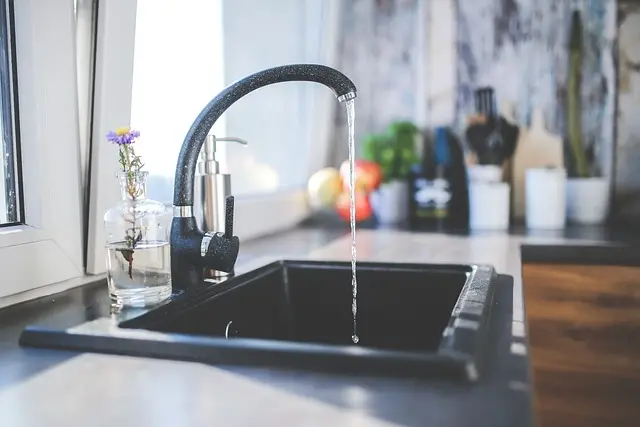
Sustainable living is not only about energy; water conservation is equally critical. Innovative water-saving technologies are being integrated into dishwashers, washing machines, and faucets. For instance, modern dishwashers can use as little as 3 gallons of water per cycle, which is significantly lower than older models that may use up to 10 gallons.
The WaterSense program, governed by the EPA, promotes products that utilize water efficiently without sacrificing performance. Appliances bearing the WaterSense label are designed to reduce indoor water use by an average of 20%. As governments and states adopt stricter water conservation regulations, the adoption of these technologies will likely increase.
This trend reflects a growing awareness among consumers regarding water scarcity issues and reinforces the need for water-efficient appliances in homes. As climate change affects water availability, solutions emphasizing conservation are imperative for sustainable living.
5. Increased Durability and Longevity
Finally, a trend growing in significance is the emphasis on durability and longevity in appliances. Consumers are increasingly aware of the environmental costs associated with disposable products. Therefore, manufacturers are focusing on producing durable appliances designed to last longer and require fewer repairs.
This is evident in the rise of extended warranty programs and the provision of repair services for older appliances. According to Consumer Reports, households that invest in durable appliances can save considerable amounts on replacement costs over time, benefiting both their wallets and the environment. By reducing waste, this trend reflects a broader commitment to sustainability, moving away from the ‘throwaway culture’ prevalent in earlier decades.
Conclusion
These trends signify a significant shift in the appliance industry as it responds to the global demand for sustainable living solutions. By investing in smart, durable, and eco-friendly appliances, consumers can reduce their environmental impact and contribute to a healthier planet.
Glossary
| Terme | Définition |
|---|---|
| Énergie renouvelable | Énergie produite à partir de sources renouvelables, comme le solaire et l’éolien. |
| WaterSense | Programme qui certifie les produits économes en eau, géré par l’EPA. |
| Durabilité | Capacité d'un produit à être utilisé longtemps sans nécessiter de remplacement. |

DIGICVAC ABS Car Vacuum Cleaner Portable Powerful Wireless Vacuum Cleaner Home Carpet Cleaner Home Appliance Mini Cleaning Machine
shop.simon.com

DIGICVAC ABS Car Vacuum Cleaner Portable Powerful Wireless Vacuum Cleaner Home Carpet Cleaner Home Appliance Mini Cleaning Machine
shop.simon.com

BELIBUY ABS Wireless Vacuum Cleaner Appliance Portable Powerful Handheld Vacuum Cleaner, Suitable for Cleaning Sofas Carpets and Debris
shop.simon.com
Checklist avant achat
- [ ] Vérifier l'efficacité énergétique de l'appareil.
- [ ] Consulter les matériaux utilisés dans la fabrication.
- [ ] Rechercher des certifications, comme Energy Star ou WaterSense.
- [ ] Évaluer la garantie et les options de réparation.
- [ ] Comparer la consommation d'eau et d'énergie avec d'autres modèles.
🧠 Quiz rapide : Quelle innovation dans les appareils contribue le plus à la durabilité ?
- A) Systèmes de gestion de l'énergie
- B) Matériaux recyclés
- C) Technologies d'économie d'eau
Réponse : C — Les technologies d'économie d'eau sont essentielles pour conserver cette ressource précieuse.
📺 Pour aller plus loin: Découvrez des analyses détaillées sur les tendances des appareils électroménagers éco-responsables sur YouTube en cherchant : 'trends in eco-friendly appliances 2026'.
📺 Pour aller plus loin : trends in eco-friendly appliances 2026 sur YouTube
Recommended products
Selected by our experts