Table of Contents (13 sections)
In recent years, the demand for sustainable living has surged, influencing various sectors, especially household appliances. As consumers become more environmentally conscious, manufacturers are stepping up their game to provide eco-friendly solutions. Here, we delve into the top appliance trends of 2026 that prioritize sustainability and efficiency.
1. Energy-Efficient Appliances
Energy efficiency remains a primary concern for households worldwide. Modern appliances are designed with innovative technologies that significantly reduce energy consumption. For example, Energy Star-rated products consume up to 50% less energy than standard models.
The shift towards energy efficiency not only lowers utility bills but also minimizes carbon footprints. According to the Department of Energy, homes that use energy-efficient appliances can reduce their energy usage by as much as 30%. As consumers invest in these technologies, the demand for energy-efficient appliances continues to rise in 2026.
2. Smart Home Integration
The integration of smart technology in appliances has rapidly gained traction, making homes not just smarter but also more efficient. Smart appliances can be controlled remotely via phone apps, allowing users to monitor energy usage in real time and optimize settings for maximum efficiency.
For example, smart refrigerators can manage their internal temperatures based on the contents inside, reducing energy waste; this can lead to energy savings of up to 10%. Moreover, smart washers and dryers can adjust cycles based on load size, further promoting resource conservation. As these technologies evolve, we expect even more innovative solutions that cater to the eco-conscious consumer.
3. Sustainable Materials
Sustainability isn’t just about energy; it also extends to the materials used in appliance manufacturing. In 2026, there is a noticeable trend towards the use of recycled and sustainable materials. Manufacturers are now exploring options like reclaimed metals, recycled plastics, and bamboo fibers in appliance components.
This trend not only reduces the environmental impact during production but also promotes a circular economy. Brands that prioritize sustainable materials are becoming consumer favorites, as more buyers seek out ethically produced products. For example, 70% of consumers are willing to pay a premium for products made from recycled materials, highlighting a significant market shift.
4. Water Conservation Features
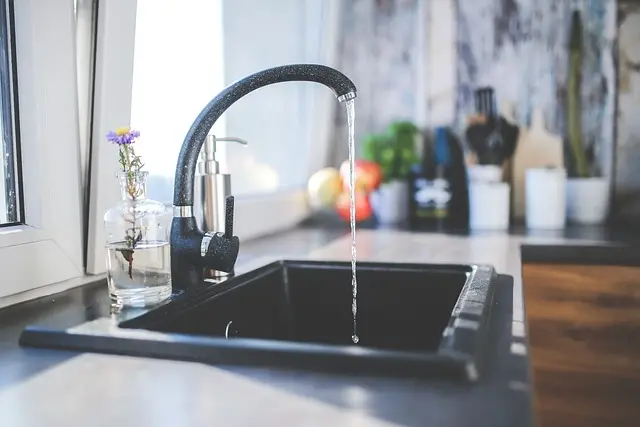
With an increasing focus on sustainability, appliances are now designed to conserve water. This trend is particularly evident in dishwashers and washing machines, which incorporate technologies that use less water per cycle without compromising performance.
For instance, modern dishwasher models can use as little as 3-4 gallons of water per cycle, a significant reduction compared to older machines. Additionally, washing machines equipped with automatic load sensing capabilities further ensure that only the necessary water is used for each wash. As drought concerns grow globally, this trend is expected to strengthen.
5. Reduction of Chemical Usage
In 2026, more consumers are seeking appliances that limit the use of harsh chemicals, whether in cleaning or food preservation. This demand has led to the development of appliances that utilize natural ingredients or advanced processes to perform tasks traditionally reliant on chemicals.
For example, some modern dishwashers and refrigerators integrate UV light technology to sanitize without harmful substances. This not only promotes healthier living environments but also reduces the overall chemical load on our ecosystems. According to recent surveys, over 60% of consumers are more inclined to purchase appliances marketed as eco-friendly and chemical-free.
6. Modular and Repairable Designs
As sustainability trends evolve, consumers are demanding appliances that are not only durable but also modular and repairable. This approach significantly extends the lifespan of appliances and reduces waste. Modular designs allow for easy replacement of specific components rather than the entire appliance, which is both cost-effective and environmentally friendly.
Data from the Ellen MacArthur Foundation indicates that modular appliances can reduce waste by up to 30%, supporting the movement toward a more sustainable approach to consumption. This trend encourages manufacturers to rethink traditional appliance designs, promoting a culture of repair over replacement.
7. Biodegradable Technology
The exploration of biodegradable materials in appliance construction is an emerging trend. Companies are now innovating with plastics derived from renewable sources, such as cornstarch and seaweed, that decompose naturally at the end of their life cycle. The goal is to limit the amount of plastic waste entering landfills and oceans.
For instance, electronics companies have begun experimenting with biodegradable casings and components, making a significant stride towards eco-friendlier products. As awareness of plastic pollution increases, we anticipate this trend will accelerate further in the coming years.
📺 For Further Learning:
Explore innovations in energy-efficient appliances with this comprehensive video: "Modern Energy-Efficient Home Appliances 2026". Search on YouTube: energy-efficient appliances innovations 2026.
Checklist before Buying
- [ ] Assess energy consumption ratings.
- [ ] Check for smart technology features.
- [ ] Investigate material sustainability.
- [ ] Evaluate water conservation features.
- [ ] Determine repair options available.


28kW numérique électrique d'économie d'énergie Appareils d'économie d'électricité Appliance UE
Darty FR

28kW numérique électrique d'économie d'énergie Appareils d'économie d'électricité Appliance Royaume-Uni
Darty FR
Glossary
| Terme | Définition |
|---|---|
| Énergie renouvelable | Source d'énergie qui peut être continuellement produite, comme le solaire ou l'éolien. |
| Économie circulaire | Système économique qui vise à réduire le gaspillage en conservant les ressources. |
| Matériaux biodégradables | Matériaux susceptibles de se décomposer naturellement, réduisant ainsi les déchets. |
Recommended Products
- - - ---
📺 Pour aller plus loin : energy-efficient appliances innovations 2026 sur YouTube
Recommended products
Selected by our experts
Tap IP Appliance Room Solutions Huddle + Small Rooms
Darty FR
Ideal for enhancing productivity in small spaces while maintaining a low environmental impact.
28kW numérique électrique d'économie d'énergie Appareils d'économie d'électricité Appliance UE
Darty FR
Perfect for energy-conscious consumers, reducing electric bills without sacrificing performance.
28kW numérique électrique d'économie d'énergie Appareils d'économie d'électricité Appliance Royaume-Uni
Darty FR
Supports water conservation efforts, proving to be efficient for both the environment and your home.