Table of Contents (11 sections)
As we step further into 2026, the world of smart home appliances is rapidly evolving, driven by technological innovation and a growing emphasis on sustainability. Appliance trends now reflect not only the desire for efficiency but also a commitment to environmental responsibility. Homeowners are increasingly seeking out appliances that not only meet their practical needs but also contribute to a more sustainable lifestyle. In this article, we will delve into the major appliance trends defining home efficiency this year and explore the transformative impact they are having on our daily lives.
Trend 1: Smart Appliances
One of the foremost trends in home efficiency is the rise of smart appliances. These innovative devices are connected to the internet, allowing homeowners to control them remotely and monitor their usage. Smart refrigerators can notify users when food items are nearing expiration or automatically create shopping lists based on inventory. According to a recent study by Statista, nearly 70% of households in the U.S. have at least one smart device, and this number is expected to increase.
The integration of artificial intelligence (AI) in appliances is another significant factor. For instance, smart ovens can detect the type of food being cooked and adjust temperature settings accordingly. This not only enhances cooking outcomes but also reduces energy consumption significantly.
A noteworthy example is a popular smart washing machine that uses sensors to assess load size and fabric type to optimize water and energy use. This level of customization can lead to a 20-30% reduction in electricity usage, a win-win for efficiency seekers.
Trend 2: Energy Efficiency and Eco-Friendly Designs
The growing emphasis on sustainability has led to increased consumer demand for energy-efficient appliances. According to the U.S. Department of Energy, the energy usage of major home appliances has significantly decreased over the past few decades. Products that feature the ENERGY STAR label consume less energy compared to their non-certified counterparts, often saving homeowners substantial amounts on their electricity bills.
Refrigerators, dishwashers, and washing machines are now designed to use advanced technologies, such as inverter motors, which adjust their speed according to the load for optimal energy savings. Moreover, eco-friendly materials are becoming prevalent in appliance design, reducing the carbon footprint of manufacturing processes.
Homebuilders and remodelers are also incorporating energy-efficient appliances into their projects as a selling point, catering to the environmentally conscious consumer. The trend showcases how adopting eco-friendly designs is not merely about compliance with regulations but also a strategic decision to enhance market competitiveness.
GE Appliances 3 Pack MWF Refrigerator Water Filter for GE Bottom-Freezer Refrigerator
bedbathandbeyond.com

DIGICVAC ABS Car Vacuum Cleaner Portable Powerful Wireless Vacuum Cleaner Home Carpet Cleaner Home Appliance Mini Cleaning Machine
shop.simon.com

BELIBUY ABS Wireless Vacuum Cleaner Appliance Portable Powerful Handheld Vacuum Cleaner, Suitable for Cleaning Sofas Carpets and Debris
shop.simon.com
Trend 3: Voice-Controlled Appliances
With the emergence of voice assistance technologies, voice-controlled appliances have become an essential part of home efficiency. Appliances that integrate with virtual assistants, such as Amazon Alexa or Google Assistant, allow users to perform functions hands-free. Users can, for instance, preheat an oven or check the status of a dishwasher with vocal commands.
Beyond convenience, voice control contributes to safety, particularly in kitchens where multitasking is common. A survey by Pew Research Center indicated that over 45% of adults are comfortable using voice commands for various tasks in their homes, and the trend is expected to grow as technology advances.
Moreover, manufacturers are increasingly embedding these technologies into their new models. It promotes not just ease of use but also strategic energy management, as users can turn off appliances remotely to save power when not in use.
Trend 4: Compact and Multi-Functional Appliances
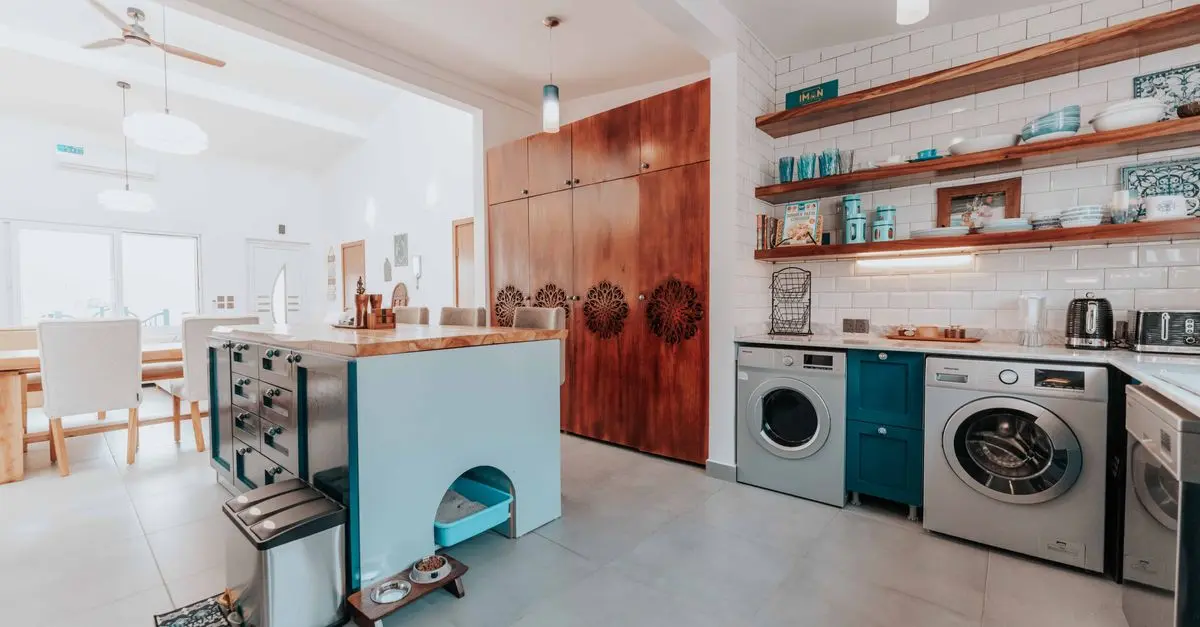
As urban living spaces become more compact, the trend towards multi-functional appliances that save space while offering versatility continues to rise. Multi-purpose units, such as a combination washer-dryer or a toaster oven that can air fry, are increasingly popular among homeowners facing space constraints.
According to a report from Market Research Future, the compact appliance market is expected to grow by over 10% annually. This shift is reshaping how consumers view appliance ownership: why have three separate appliances when one can do the job?
The design of these appliances often focuses on efficiency and usability, taking into account the limited space available in modern homes. Customers appreciate that these choices not only cater to their needs but also help reduce their environmental footprint through decreased resource consumption.
Trend 5: Improved Connectivity and Integration
Another noteworthy trend in 2026 is the rising demand for improved connectivity among home appliances. Interconnectivity means that devices can communicate with one another, leading to a more streamlined and efficient experience. For example, a smart washing machine can automatically notify a smart dryer to prepare for the load when it's finished. This system reduces wait times and optimizes workflow in the home.
According to a survey by McKinsey, 58% of consumers stated that they prefer appliances that integrate well with other smart home systems, enjoying the seamless experience they provide. This integration also includes features like sharing energy usage analytics in real-time, helping households monitor their energy consumption and adjust their habits accordingly.
This interconnected ecosystem fosters a more intelligent home environment, ultimately promoting energy conservation and lowering utility bills.
📺 Ressource Vidéo
> 📺 To go deeper: Exploring Smart Home Appliances for 2026, an in-depth look at emerging technologies and appliances. Search on YouTube: "latest smart home appliance trends 2026".

DIGICVAC ABS Car Vacuum Cleaner Portable Powerful Wireless Vacuum Cleaner Home Carpet Cleaner Home Appliance Mini Cleaning Machine
shop.simon.com

BELIBUY ABS Wireless Vacuum Cleaner Appliance Portable Powerful Handheld Vacuum Cleaner, Suitable for Cleaning Sofas Carpets and Debris
shop.simon.com

Checklist before buying
- [ ] Research energy-efficient models
- [ ] Check for smart compatibility
- [ ] Compare multi-functional features
- [ ] Assess space requirements
- [ ] Review user feedback and ratings
Glossaire
| Terme | Définition |
|---|---|
| Efficacité Énergétique | Capacité d'un appareil à utiliser moins d'énergie pour accomplir une tâche donnée. |
| Appareils Connectés | Appareils qui peuvent être contrôlés via Internet ou des applications mobiles. |
| Multi-Fonctionnel | Appareils conçus pour effectuer plusieurs tâches ou fonctions. |
FAQs
Conclusion
As we navigate through 2026, the trends in appliances demonstrate a clear shift towards more efficient, smart, and sustainable living solutions. Understanding these trends not only helps homeowners enhance their living environments but also allows them to partake in eco-conscious practices. Embrace these innovations as they promise to reshape the future of home efficiency.
We’ve gathered several well-suited products that align with these emerging trends. Explore our recommendations below and discover the tools that can elevate your efficiency journey.
📺 Pour aller plus loin : latest smart home appliance trends 2026 sur YouTube
Recommended products
Selected by our experts
Uplifted Trends Breathable Zero Pressure Cervical Neck Pillow Washable TPE Latex Support For Neck Pain Relief no Pillowcase
inspireuplift.com