Table of Contents (12 sections)
In 2026, the world of home appliances is undergoing significant changes, driven by advancements in technology, the demand for sustainability, and the need for efficiency. Consumers are increasingly aware of their environmental impact, prompting manufacturers to innovate in ways that enhance user experience while reducing energy consumption. Below, we explore some of the most impactful appliance trends redefining home efficiency today.
1. Smart Appliances Taking Center Stage
As technology continues to advance, smart appliances are becoming essential in modern households. These devices can be controlled remotely via smartphones or other devices, allowing users to manage their homes more effectively. For instance, smart refrigerators can monitor food inventories and suggest recipes based on ingredients, helping reduce food waste. According to a study by Grand View Research, the global smart appliance market is projected to reach $100 billion by 2027, showcasing the growing adoption of these technologies. Moreover, voice-activated features enable hands-free operation, making cooking, cleaning, and managing day-to-day tasks more convenient and efficient.
💡 Expert Opinion: Many consumers report improved time management and reduced energy bills since integrating smart appliances into their homes.
2. Eco-Friendly Materials and Design
Sustainability is at the forefront of appliance design in 2026. More brands are prioritizing recyclable materials and energy-efficient designs in their products. For example, washing machines now feature optimized drum layouts that use less water without sacrificing cleaning performance. Samsung has introduced appliances with eco-friendly certifications, appealing to eco-conscious consumers. Moreover, energy-efficient models are expected to lower energy bills by up to 30%, helping households save money while contributing to environmental conservation.
In fact, energy efficiency ratings like ENERGY STAR have become key selling points for consumers, driving manufacturers to seek higher certifications. Ultimately, investing in eco-friendly appliances can significantly lower a household's carbon footprint while promoting a greener lifestyle.
3. Enhanced Energy Efficiency
Appliance trends are increasingly focused on enhancing energy efficiency across various categories. For instance, new dishwashers now use as little as 3 gallons of water per load, making them ideal choices for environmentally conscious consumers. According to data from U.S. Department of Energy, energy-efficient appliances can save homeowners an average of $500 a year on utility bills. These savings come from choosing high-efficiency models that utilize innovative technologies to minimize energy and water use.
Moreover, advancements in heat pump technology allow dryers to use 50% less energy than conventional models. This not only benefits the environment but also improves household budgets over time. By selecting energy-efficient options, consumers are making economically wise decisions while supporting sustainable production practices.
4. Upgrade in Cooking Technology
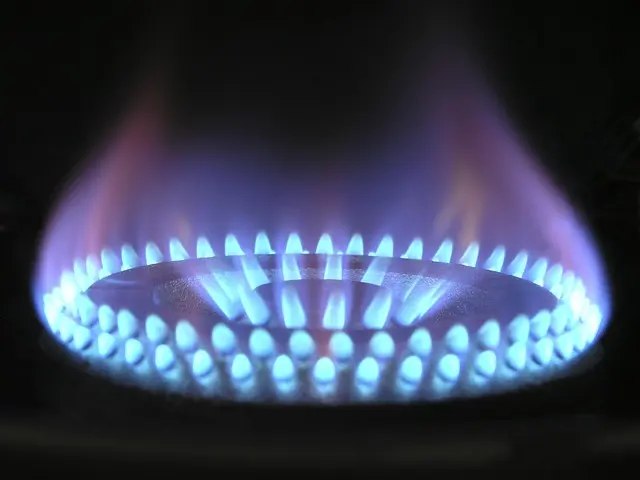
The cooking appliance category is seeing significant advancements, particularly with the integration of induction technology and smart cooking features. Induction cooktops, which heat pots and pans directly while remaining cool to the touch, are gaining popularity due to their energy efficiency and safety features. According to Consumer Reports, induction cooktops are nearly 90% efficient compared to gas or electric counterparts, which are around 70%.
Additionally, the rise of smart ovens allows users to monitor their cooking progress from afar. Features such as pre-setting temperatures or utilizing built-in cameras to check food doneness eliminate the guesswork involved in home cooking. These innovations not only enhance the culinary experience but also improve safety and energy savings.
5. Increased Connectivity with IoT
The Internet of Things (IoT) is reshaping the way appliances communicate with one another. By interconnecting devices, appliances can optimize energy usage based on real-time demand and supply. For example, washing machines can coordinate their operation with peak energy times, consuming less electricity during off-peak hours. According to a report by Deloitte, 75% of households are expected to integrate IoT solutions into their appliances by the end of 2026, signifying an industry shift towards smarter homes.
This connectivity also means that consumers can receive updates, maintenance reminders, and troubleshooting support from their devices — all of which enhance user experience and assist with proactive home management.
6. Enhanced Cleaning Technologies
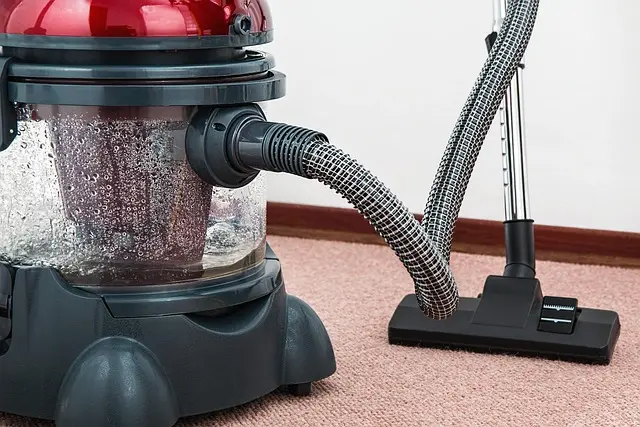
In response to consumer demands for cleanliness and hygiene, the development of advanced cleaning technologies has become a prominent trend in home appliances. For instance, robot vacuums equipped with advanced navigational technology can efficiently clean spaces while being controlled remotely through a smartphone. Roomba, for example, allows for programmable cleaning routes and real-time monitoring, resulting in effortlessly tidy homes.
Moreover, self-cleaning ovens now feature mechanisms that utilize high temperatures to reduce residue and grime, improving the overall hygiene of cooking environments. Consumer reports indicate that these enhanced cleaning appliances can significantly reduce allergens and bacteria, providing a healthier living space for families.
📺 For further insights: [The Future of Home Appliances and Technology], an analysis of trends reshaping the appliance industry. Search on YouTube: 'latest appliance trends 2026'.
Checklist before Purchase
- [ ] Determine the appliance's energy efficiency rating.
- [ ] Consider the materials used in appliance construction.
- [ ] Evaluate the smart features available.
- [ ] Research ongoing maintenance or service requirements.
- [ ] Look for user reviews regarding performance and reliability.
GE Appliances 3 Pack MWF Refrigerator Water Filter for GE Bottom-Freezer Refrigerator
bedbathandbeyond.com


BELIBUY ABS Wireless Vacuum Cleaner Appliance Portable Powerful Handheld Vacuum Cleaner, Suitable for Cleaning Sofas Carpets and Debris
shop.simon.com
Glossary
| Terme | Définition |
|---|---|
| Smart Appliance | An appliance connected to the internet that can be monitored and controlled remotely. |
| Energy Efficiency | The ratio of useful output of services from an appliance to the energy input. |
| IoT (Internet of Things) | A network of interconnected devices that can communicate and share data. |
FAQ
Recommended products
Selected by our experts
Uplifted Trends Breathable Zero Pressure Cervical Neck Pillow Washable TPE Latex Support For Neck Pain Relief no Pillowcase
inspireuplift.com