Table of Contents (11 sections)
Emerging Appliance Trends
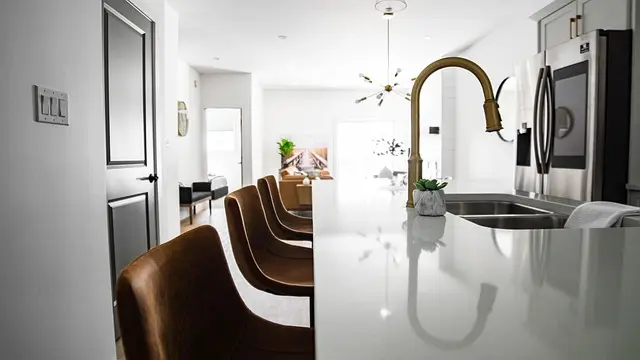
As we navigate through 2026, certain appliance trends significantly influence modern home design. These trends not only enhance functionality but also impact aesthetics and sustainability. Homeowners and designers alike are focusing on integrating new technologies that make daily tasks more manageable while also being environmentally conscious. Businesses in the appliance sector are shifting towards more innovative designs and better energy efficiency, aligning with consumer demands for green technology. Dismissed previously as mere novelties, these trends are now essential for designers aiming to create spaces that are not only beautiful but also year-round operable. According to a recent report from UFC-Que Choisir, around 70% of consumers prioritize sustainable appliances when renovating their kitchens and homes.
Smart Technologies
The rise of smart technologies is undoubtedly one of the most significant appliance trends shaping home design in 2026. Smart appliances are designed to offer seamless connectivity, allowing homeowners to control their devices through smartphones or voice commands. For instance, smart refrigerators can keep grocery inventories updated, suggest recipes based on available ingredients, and even allow remote management of temperature settings. According to Les Numériques, 45% of French households have adopted smart appliances, with the expectation that this number will rise to 60% by 2027. This transformation in home appliances has encouraged manufacturers to develop more features focusing on consumer convenience. The integration of AI and IoT technology has moved beyond luxuries and is becoming a necessity in urban homes where space and time are constraints, indicating a continuing trend towards high-tech, efficient living environments.
Sustainability and Energy Efficiency
Sustainability remains a major driver in the appliance industry, with energy efficiency at the forefront. Appliances today are designed not just to fulfill user requirements but also to minimize their environmental impact. For instance, Energy Star-rated appliances use significantly less energy than standard models, which appeals to eco-conscious consumers seeking to reduce their carbon footprint. Data from ADEME indicates that switching to energy-efficient appliances can reduce household energy consumption by up to 30%. Brands like Bosch, LG, and Whirlpool have introduced appliances made from recycled materials and featuring lifecycle assessments to reflect their commitment to sustainability. Trends towards eco-friendliness also encourage manufacturers to innovate, such as by creating dual-fuel ranges that provide flexibility while conserving energy. This not only resonates well with environmentally-aware consumers but also establishes a greater trust among brands dedicated to responsible practices.
Integrated Appliances
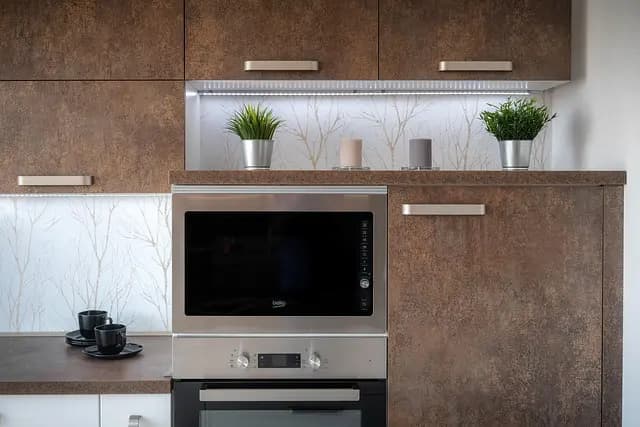
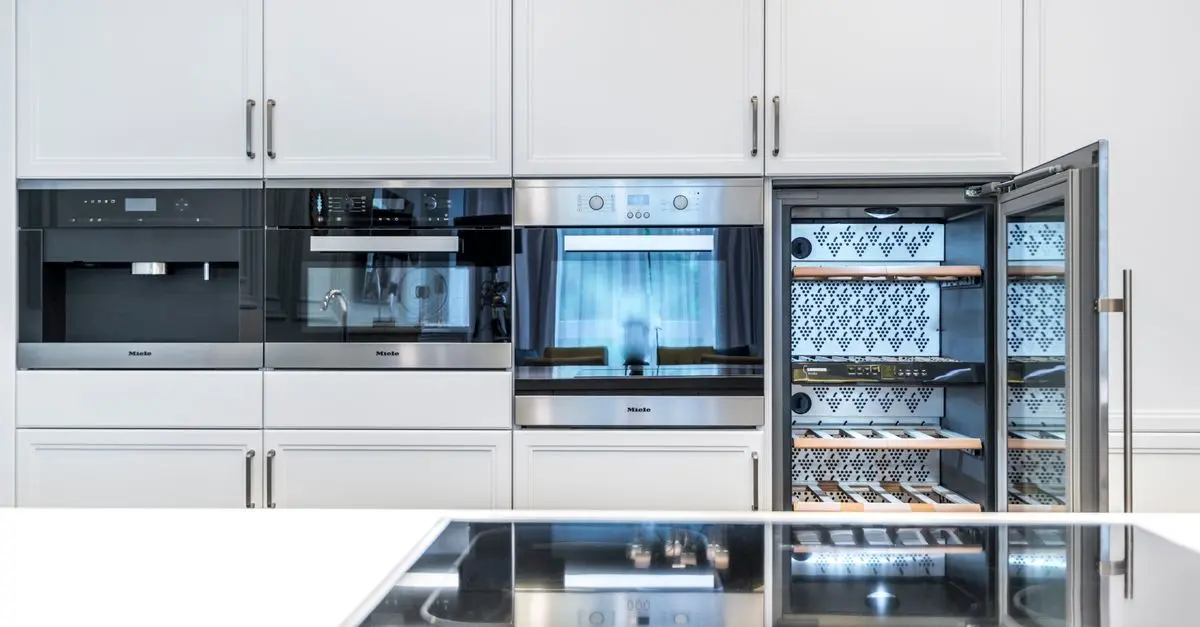
The trend of integrated appliances is evolving as homeowners search for streamlined aesthetics in their kitchens and living spaces. Integrated appliances are designed to blend seamlessly into cabinetry, creating a polished, uniform appearance. This design approach serves to enhance open floor plans that are popular in new home constructions. By hiding appliances behind cabinet doors, homes can maintain a clean and sophisticated look, an essential appeal for modern buyers. A study from 60 Millions de Consommateurs shows that almost 55% of new homes in 2026 feature integrated appliances. This trend reflects a broader move towards minimalism and simplicity in design. Furthermore, brands now offer customized options for built-in appliances, allowing homeowners to choose configurations that align with their lifestyles, enhancing the functionality and organization of kitchens.
Multifunctional Devices
The demand for multifunctional devices is also on the rise, influenced by the trend of smaller living spaces. Appliances that can serve multiple purposes allow homeowners to maximize their utility without sacrificing space. A noteworthy example is the combination washer-dryer, which allows users to do laundry without requiring the footprint of two machines. Additionally, many kitchen appliances now offer multiple cooking modes—think of a microwave that can also grill or bake. Consumer Reports states that about 50% of today’s buyers are looking for compounds that maximize space utility. This trend enables homeowners to be more creative in their home designs, making small spaces functional yet stylish. The focus on multifunctionality further aligns with the increasing trend of simplifying home management.
Personalization and Customization
As consumers crave unique experiences, the demand for personalized and customizable appliances continues to grow. From color choices to tailored settings, modern designs allow homeowners to express their individual tastes through their appliances. Manufacturers are realizing the importance of providing options that reflect the style and personality of their customers. For instance, companies like Samsung and LG now offer refrigerators with customizable panels and settings, allowing homeowners to match their appliances with their kitchen decor. A report from Statista states that the market for personalized appliances is expected to grow by 15% annually. This trend highlights an essential shift towards customization, catering to the unique preferences of modern consumers and allowing them to tailor their home environments down to the smallest detail.
📺 Resource Video
> 📺 For more information: Explore the latest trends in home appliances, a comprehensive overview of appliance trends. Search on YouTube: 2026 appliance trends overview.
- What are the top trends in appliances for 2026?
The top trends include smart technologies, sustainability, integrated appliances, multifunctional devices, and personalized options.
- How can energy-efficient appliances reduce my bills?
Energy-efficient appliances reduce electricity consumption, leading to lower utility bills while also minimizing environmental impact.
- What are integrated appliances?
Integrated appliances are designed to blend into the surrounding cabinetry for a seamless and stylish look in kitchens.
- Why is customization important in home appliances?
Customization allows homeowners to express their style and preferences, making appliances integral to the home aesthetic.
Glossary
| Terme | Définition |
|---|---|
| Energy Star | Un label qui certifie que les appareils consomment moins d'énergie par rapport aux modèles standards. |
| Intelligent Appliances | Appareils capables de se connecter à Internet et de communiquer avec d'autres dispositifs pour plus de confort. |
| Integrated Appliances | Appareils conçus pour s'intégrer harmonieusement dans l'architecture intérieure d'un espace de vie. |
Checklist Before Purchase
- [ ] Assess energy efficiency ratings
- [ ] Determine your space requirements
- [ ] Explore customization options
- [ ] Consider multifunctionality needs
- [ ] Research current technology trends
📺 Pour aller plus loin : 2026 appliance trends overview sur YouTube