Table of Contents (10 sections)
In 2026, the push for sustainability in our daily lives is more pronounced than ever. Modern appliances are evolving not just to meet consumer demands but to actively contribute to eco-friendly living habits. From energy-efficient technologies to eco-conscious materials, here are the leading appliance trends shaping a sustainable future.
1. Smart Energy Management
Smart energy management has become essential in household appliances. Products integrating AI technology enable users to monitor and control their energy consumption through smartphones or smart home systems. For instance, a smart thermostat can analyze your energy usage patterns and adjust heating or cooling accordingly, potentially reducing energy bills by up to 30%, according to the U.S. Department of Energy. This innovation is crucial as it empowers consumers to make informed decisions about their energy use and promote sustainable practices.
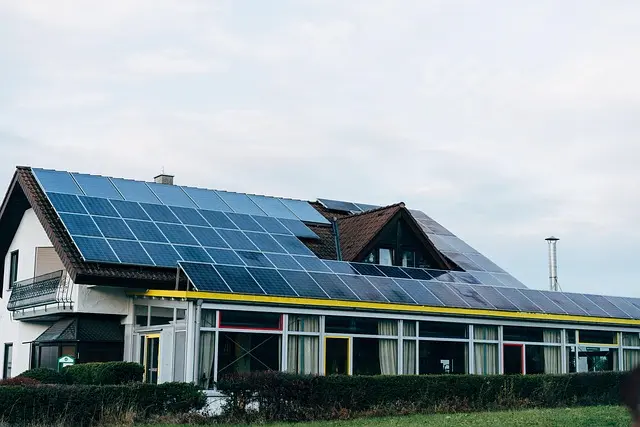
Moreover, appliances designed to sync with renewable energy sources, such as solar panels, further enhance efficiency. For example, some smart washing machines can schedule cycles during hours of peak solar energy production, making the entire system more efficient. This trend towards smart appliances not only highlights the importance of energy conservation but also showcases the growing intersection of technology and sustainability.
2. Reduced Water Usage
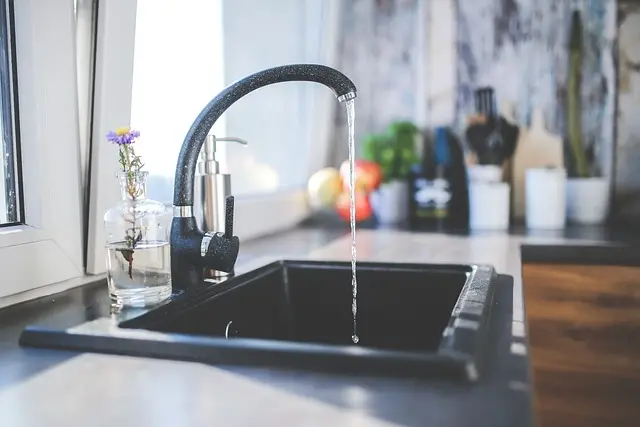
The need for water conservation has led to notable advancements in appliances like dishwashers and washing machines. In 2026, many of these products boast features that significantly minimize water use without compromising performance. For example, modern dishwashers equipped with soil sensors can adapt water levels based on the cleanliness of the load, saving up to 50% more water compared to traditional models.
Furthermore, the introduction of greywater recycling systems into home appliances allows for the reuse of water from sinks and baths to flush toilets or irrigate gardens. As urban areas face increasing water scarcity, such technologies are vital in promoting responsible water use. Industry predictions suggest that by 2027, water-efficient appliances could save American households approximately 37 billion gallons of water annually, demonstrating a significant impact on resource conservation.
GE Appliances 3 Pack MWF Refrigerator Water Filter for GE Bottom-Freezer Refrigerator
bedbathandbeyond.com

DIGICVAC ABS Car Vacuum Cleaner Portable Powerful Wireless Vacuum Cleaner Home Carpet Cleaner Home Appliance Mini Cleaning Machine
shop.simon.com

DIGICVAC ABS Car Vacuum Cleaner Portable Powerful Wireless Vacuum Cleaner Home Carpet Cleaner Home Appliance Mini Cleaning Machine
shop.simon.com
3. Eco-Conscious Materials
Another trend observed in 2026 is the emphasis on eco-conscious materials used in the manufacturing of appliances. From recycled plastics to sustainably sourced metals, manufacturers are striving to reduce their ecological footprint. This shift not only appeals to environmentally conscious consumers but also sets a precedent for manufacturing practices across various industries.
Major brands are now prioritizing transparent supply chains, providing insights into material sourcing and production processes. For instance, some appliances are made with bioplastics that are both recyclable and biodegradable, presenting a significant advantage over traditional materials that contribute to landfill waste. The increased demand for appliances made from sustainable materials is predicted to push the industry towards a circular economy model, where products are designed for longevity and recyclability.
4. Enhanced Longevity and Repairability
In a world increasingly focused on sustainability, the longevity of appliances has never been more critical. In 2026, manufacturers are emphasizing the repairability and upgradability of their products, moving away from planned obsolescence. This trend encourages consumers to repair instead of replace, reducing electronic waste.
Many brands now provide replacement parts and manuals, enabling consumers to easily fix appliances rather than discarding them. This movement supports the broader Right to Repair initiative, pushing for laws that allow users to access the tools and information needed to perform repairs. According to a report by the Environmental Protection Agency, improving product longevity by just one year could significantly cut down the waste generated by electronic devices, showcasing the importance of design decisions in promoting sustainability.
5. Induction and Energy-Efficient Cooking
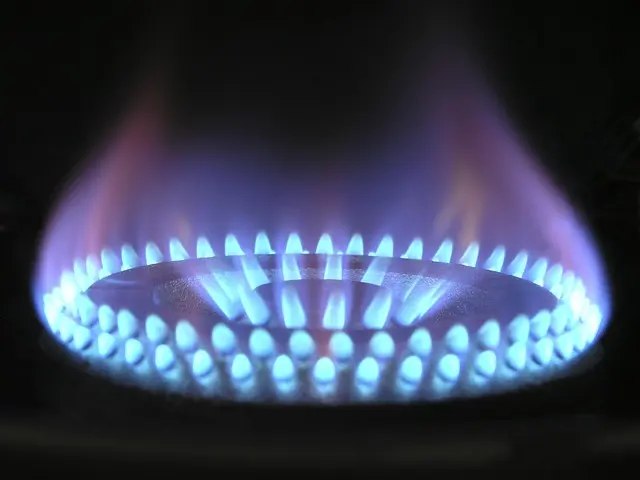
Induction cooking has surged in popularity due to its efficiency and speed. These cooktops use electromagnetic energy to directly heat pots and pans, resulting in faster cooking times and less energy wasted compared to traditional gas or electric stoves. This technology is not only energy-efficient but also safer, as the cooktop remains cool to the touch.
Research indicates that switching to induction cooking can reduce energy consumption by approximately 20-50%, which is significant for households aiming to lower their utility bills and carbon footprint. Additionally, induction appliances often come with smart features that allow users to monitor cooking times and energy usage, reinforcing a trend toward more intelligent cooking solutions.
6. Sustainable Refrigeration
Sustainable refrigeration technologies in 2026 embrace both energy efficiency and eco-friendly refrigerants. New refrigerators are often designed with enhanced insulation and energy-saving features that can reduce electricity consumption by 20-30%. Moreover, the use of hydrofluoroolefins (HFOs) as refrigerants, which have a minimal environmental impact compared to traditional hydrofluorocarbons (HFCs), is becoming standard practice.
This shift is significant as refrigerants are a critical contributor to global warming when leaked into the atmosphere. The EPA states that, if implemented widely, these advancements could lead to a marked decrease in greenhouse gas emissions, highlighting the importance of sustainable practices in the refrigeration sector.

BELIBUY ABS Wireless Vacuum Cleaner Appliance Portable Powerful Handheld Vacuum Cleaner, Suitable for Cleaning Sofas Carpets and Debris
shop.simon.com

BELIBUY ABS Wireless Vacuum Cleaner Appliance Portable Powerful Handheld Vacuum Cleaner, Suitable for Cleaning Sofas Carpets and Debris
shop.simon.com

📺 For further inspiration:
Watch this video: [Innovations in Household Appliances for Sustainable Living]. Search on YouTube for: “sustainable appliance trends 2026” to discover more.
Glossary
| Term | Definition |
|---|---|
| Smart Appliances | Devices equipped with technology to communicate with users and other devices, optimizing performance and efficiency. |
| Induction Cooking | A cooking method that uses electromagnetic energy to heat pots directly, providing faster and more energy-efficient cooking. |
| Greywater Recycling | The process of reusing water from sinks or showers for non-potable purposes, such as irrigation. |
Checklist before purchasing
- [ ] Check the energy efficiency rating.
- [ ] Review the product’s water-saving features.
- [ ] Ensure easy repairability and availability of spare parts.
- [ ] Look for eco-friendly materials in product construction.
- [ ] Research the manufacturer's recycling program.
{
Recommended products
Selected by our experts
Uplifted Trends Breathable Zero Pressure Cervical Neck Pillow Washable TPE Latex Support For Neck Pain Relief no Pillowcase
inspireuplift.com