Table of Contents (18 sections)
What Are Appliance Trends?
Appliance trends refer to the evolving designs, functionalities, and technologies of home appliances that aim to meet consumer needs and environmental standards. As sustainability becomes a priority, manufacturers are focusing on creating products that enhance efficiency and reduce carbon footprints. Notably, the integration of smart technology and energy-efficient features has revolutionized how households operate, contributing to both cost savings and environmental protection. As reported by UFC-Que Choisir, implementing advanced energy-saving technologies in home appliances can reduce energy consumption by up to 30%.
Understanding modern appliance trends is essential for homeowners looking to upgrade their homes while being eco-conscious. These trends often reflect broader societal shifts towards sustainability, usability, and connectivity. As we explore the trends of 2026, it’s clear that blending convenience with energy efficiency is critical for today's consumers.
Key Appliance Trends in 2026
1. Smart Home Integration
In 2026, smart appliances are at the forefront of home efficiency. These appliances can be controlled and monitored through smartphone applications, allowing homeowners to adjust settings remotely. For instance, smart thermostats can learn user habits and optimize energy usage, which, according to Les Numériques, can save households an average of $180 annually. Furthermore, appliances like smart refrigerators can assist users in tracking food inventory and removing unnecessary waste.
2. Energy Monitoring Systems
The rise of embedded energy monitoring systems in appliances is another significant trend. These systems provide real-time data on energy consumption, enabling users to make informed decisions that result in lower energy bills. For instance, dishwashers and washing machines equipped with such technologies allow users to select cycles based on energy efficiency. According to a study from ADEME, implementing energy monitoring could lead to a 10-20% reduction in household energy use.
3. Eco-friendly Materials
A notable trend is the use of eco-friendly materials in appliance manufacturing. Companies are shifting towards sustainable plastics made from recycled materials and metals that are easier to recycle. These innovations not only reduce the environmental impact during production but also often enhance product durability. The International Energy Agency predicts that as more consumers prioritize sustainability, the demand for appliances made from eco-friendly materials will grow by 40% by the end of the decade.
4. Compact and Modular Designs
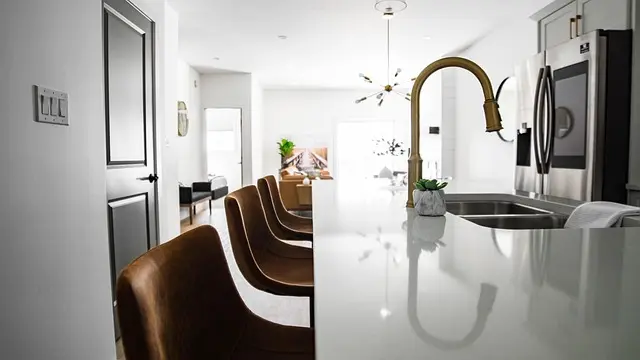
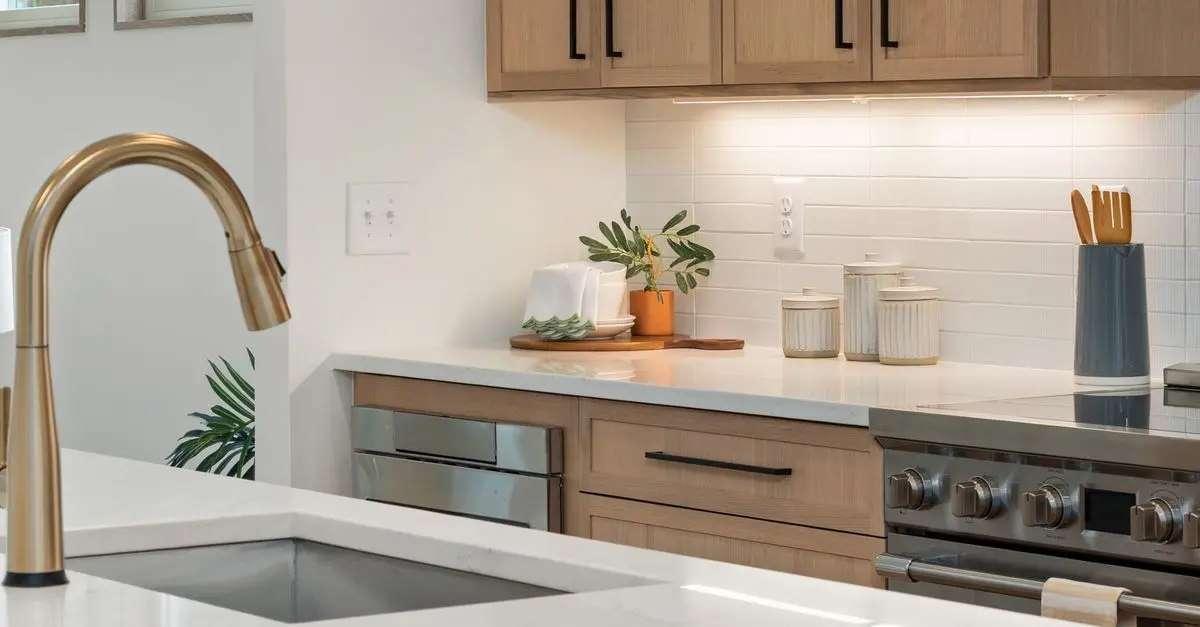
Compact and modular appliance designs are gaining traction, especially for urban living spaces where maximizing efficiency is vital. Modular appliances allow for personalization and scalability, enabling homeowners to adjust their setups according to specific needs without sacrificing space or function. For example, modular kitchen systems can be adjusted for various living environments without losing performance, a reflection of the evolving urban landscape.
5. Enhanced Energy Efficiency Ratings
Appliances are increasingly rated for energy efficiency based on stricter regulatory standards. The Energy Star program has expanded its criteria, resulting in higher efficiency benchmarks for appliances like refrigerators, washers, and dryers. A study by 60 Millions de Consommateurs indicates that appliances meeting these new standards can reduce energy use by as much as 50% compared to older models.


28kW numérique électrique d'économie d'énergie Appareils d'économie d'électricité Appliance UE
Darty FR

28kW numérique électrique d'économie d'énergie Appareils d'économie d'électricité Appliance Royaume-Uni
Darty FR
How to Choose Energy-efficient Appliances
When selecting new appliances, consider the following steps to ensure energy efficiency:
- Look for Energy Star Ratings: Appliances with this rating have been certified to use less energy.
- Check for Smart Features: Appliances equipped with smart technology can optimize energy use based on your habits.
- Consider Size and Capacity: Choose appliances that meet your needs without being oversized, which can lead to excess energy waste.
- Read Reviews: Look for user feedback on the energy performance of prospective appliances.
- Compare Lifespan: Consider the durability and expected lifespan to assess long-term savings even if initial costs are high.
Comparing Appliance Options
| Feature | Traditional Appliances | Energy-efficient Appliances | Smart Appliances |
|---|---|---|---|
| Average Energy Use | High | Low | Varies |
| Operational Control | Manual | Semi-automatic | Fully automated |
| Cost Over Lifespan | Higher | Lower due to savings | Varies based on usage |
| Sustainability Impact | Moderate | High | Very high |
Appliance options significantly differ in energy consumption, operational efficiency, and sustainability impacts. It’s vital to assess these factors before making a purchase.
FAQs
What are the most energy-efficient appliances?
Energy-efficient appliances include those with Energy Star ratings, such as high-efficiency washing machines and refrigerators.
How can I improve my home's energy efficiency with appliances?
Consider upgrading to smart appliances, using energy management tools, and selecting eco-friendly designs.
Are smart appliances worth the investment?
Yes, despite higher upfront costs, smart appliances often lead to long-term savings through energy efficiency and convenience.
What is the impact of compact appliances?
Compact appliances are ideal for small spaces and can help in managing energy consumption by streamlining tasks.
Glossary
| Term | Definition |
|---|---|
| Energy Star | A program certifying energy-efficient appliances. |
| Smart Appliances | Home devices that can connect to the internet for enhanced control and optimization. |
| Modular Design | Appliances that can be adjusted or reconfigured to fit different spaces and needs. |
Checklist Before Purchase
- [ ] Check for Energy Star ratings.
- [ ] Verify the availability of smart features.
- [ ] Assess the appliance size for my needs.
- [ ] Read user reviews for efficiency performance.
- [ ] Compare the lifespan and warranty of models.
🧠 Quiz rapide: What is the main benefit of energy-efficient appliances?
- A) They cost less to purchase.
- B) They help save on energy bills.
- C) They are more stylish.
Réponse : B — Energy-efficient appliances significantly reduce energy consumption and costs over time.
📺 For further exploration: The Future of Home Appliances features an in-depth analysis of contemporary appliance trends. Search for: "current appliance technology trends 2026".
Incorporating these appliance trends into your home can significantly enhance both energy efficiency and convenience, making your living spaces not only more efficient but also more sustainable. Discover our product recommendations below to find appliances that fit these 2026 trends!
📺 Pour aller plus loin : current appliance technology trends 2026 sur YouTube
Recommended products
Selected by our experts
Tap IP Appliance Room Solutions Huddle + Small Rooms
Darty FR
This appliance solution is tailored for small spaces and includes features that improve energy efficiency, making it perfect for modern homes.
28kW numérique électrique d'économie d'énergie Appareils d'économie d'électricité Appliance UE
Darty FR
An energy-saving appliance that reflects the latest technologies is an ideal choice for eco-conscious consumers seeking cost savings on energy bills.
28kW numérique électrique d'économie d'énergie Appareils d'économie d'électricité Appliance Royaume-Uni
Darty FR
This energy-efficient appliance is designed for optimal performance while minimizing electricity usage, aligning with key trends for 2026.