Table of Contents (16 sections)
As we progress through 2026, the landscape of smart home technology continues to evolve, profoundly influenced by the latest appliance trends. These trends not only enhance convenience and efficiency but also reflect a growing consideration for environmental sustainability. In this article, we will explore the most significant appliance trends that are setting the stage for smart homes, providing concrete examples and insights into their implications for users.
1. Energy Efficiency and Sustainability
One of the most notable trends in 2026 is the increasing focus on energy-efficient appliances. With rising energy costs and environmental concerns, consumers are now prioritizing appliances that minimize energy consumption. According to a report from UFC-Que Choisir, the demand for energy-efficient appliances has surged by 30% in the past year alone. Brands are responding by developing appliances with better Energy Star ratings, utilizing advanced materials that increase insulation and reduce energy usage.
Smart refrigerators, for example, now come equipped with features that allow users to monitor energy consumption in real-time, making it easier to manage their energy usage effectively. Additionally, many companies are providing incentives for users who opt for energy-efficient models. This trend highlights a key shift toward responsible consumption and the desire to reduce carbon footprints within households.
💡 Expert Insight: By investing in energy-efficient appliances, consumers can not only save on utility bills but also contribute to environmental sustainability efforts. It's a win-win.
2. Smart Home Integration
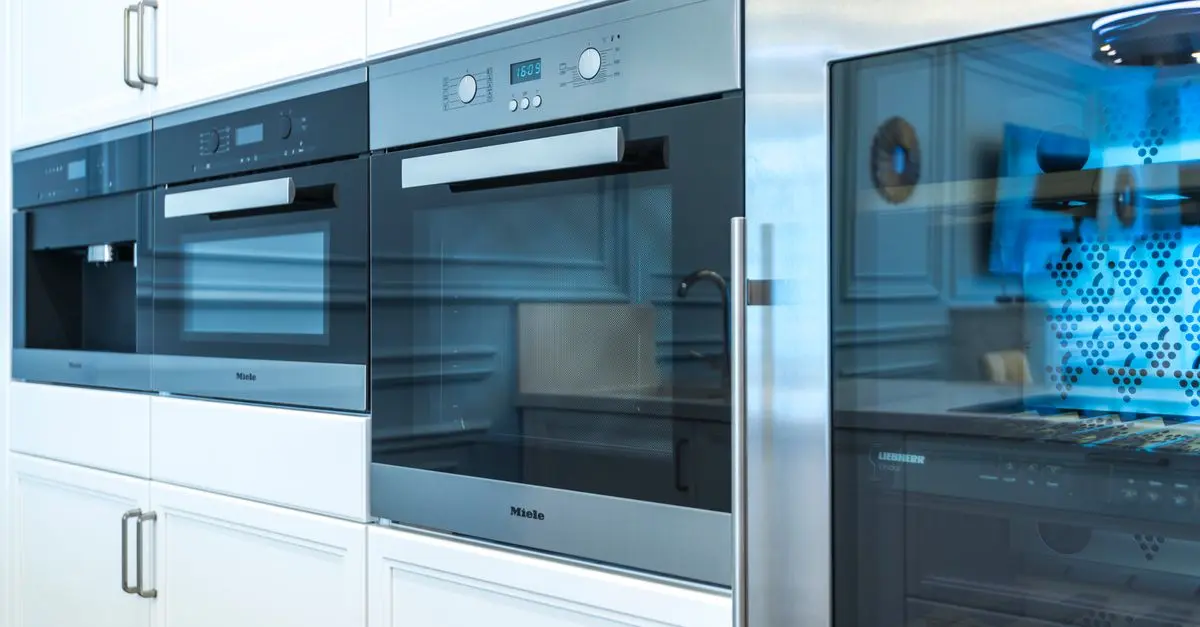
In 2026, the integration of appliances into comprehensive smart home ecosystems is transforming the way we interact with our living spaces. Smart appliances can now communicate seamlessly with one another, allowing for coordinated operations and enhanced user experience. For instance, smart ovens can connect with smart thermostats, enabling the oven to preheat precisely at the moment the user gets home, optimizing time and energy consumption.
Furthermore, voice-activated assistants, such as Alexa or Google Assistant, can manage these devices, allowing for hands-free control. Statistics indicate that over 60% of smart appliance users report improved convenience in their daily routines because of these integrations. This trend shows a growing expectation for appliances not only to function individually but to be interdependent in creating a smarter living environment.


28kW numérique électrique d'économie d'énergie Appareils d'économie d'électricité Appliance UE
Darty FR
GE Appliances 3 Pack MWF Refrigerator Water Filter for GE Bottom-Freezer Refrigerator
bedbathandbeyond.com
3. Enhanced User Controls and Customization
Consumers now seek personalized experiences from their appliances, leading to the development of products with enhanced control features. Smart washing machines, for example, offer users the ability to select and customize wash cycles based on fabric type and load size, improving efficiency and clothing care. According to Les Numériques, 45% of users prefer appliances that offer customizable settings and app controls.
This trend reflects consumer desires for more autonomy and adaptability in home technology. In addition, many manufacturers are now investing in user-friendly apps that allow remote control, monitoring, and maintenance alerts, further enhancing the user experience.
4. Focus on Health and Hygiene
In the wake of the global health crisis, there has been a significant shift towards health-oriented appliances. Products that enhance air quality, such as UV sanitizing appliances and smart air purifiers, are increasingly becoming household staples. Research from *ENVIRONMENT shows that air purifiers sales increased by 50% between 2025 and 2026.
Moreover, some kitchen appliances are now designed with antimicrobial surfaces and smart functions that help in food preservation and safety. This shift towards health-oriented products emphasizes a growing awareness of hygiene in everyday appliances and signifies a fundamental change in consumer priorities.
5. The Rise of Smart Cooking Appliances
As people continue to embrace cooking at home, smart cooking appliances are taking center stage. Devices like smart slow cookers and connected sous-vide machines allow users to monitor cook times and temperatures via smartphone apps. A survey from Statista found that 55% of consumers are interested in using smart cooking technologies to simplify meal preparation.
This trend is shaping the culinary landscape by providing even amateur cooks with chef-like precision. As these technologies evolve, they are predicted to dramatically change how individuals approach cooking, making it more accessible and enjoyable.
Comparison of Key Appliance Trends
| Trend Category | Innovation Level | User Engagement | Adoption Rate | Health Impact |
|---|---|---|---|---|
| Energy Efficiency | High | Moderate | 30% | Positive |
| Smart Home Integration | Very High | High | 60% | Moderate |
| Custom Controls | High | High | 45% | Low |
| Health and Hygiene | Very High | Moderate | 50% | High |
| Smart Cooking Appliances | High | High | 55% | Moderate |
This table highlights how these trends compare with one another, providing insights into which areas are experiencing the most significant advancements and user engagement.
📺 For More Information
To dive deeper into smart appliances and their innovative features, check out videos on YouTube such as: "New Smart Kitchen Appliances of 2026". Search for keywords like smart home appliances trends 2026 to find engaging content that further explores these technologies.
Frequently Asked Questions
What are appliance trends?
Appliance trends refer to the evolving preferences and technological advancements in household appliances, focusing on aspects like energy efficiency, automation, and integration into smart home ecosystems.
How do smart appliances work?
Smart appliances leverage Wi-Fi or Bluetooth technology allowing them to connect to smart home systems for convenience, automation, and real-time monitoring.
Why should I choose energy-efficient appliances?
Opting for energy-efficient appliances can help reduce utility bills and minimize your environmental impact, contributing to a more sustainable lifestyle.
What are the benefits of smart cooking appliances?
Smart cooking appliances provide precision and convenience, enabling users to monitor their cooking processes remotely and customize settings for optimal results.
Glossary
| Term | Definition |
|---|---|
| Smart Appliance | An appliance designed with advanced technologies for automation and connectivity. |
| Energy Star | A certification indicating higher energy efficiency than standard appliances. |
| Home Automation | The technology that allows for the control of home appliances remotely via devices. |
Checklist Before Purchase
- [ ] Assess energy consumption ratings
- [ ] Check for smart home compatibility
- [ ] Evaluate user control options
- [ ] Research health impact
- [ ] Look for customization features
In conclusion, the appliance trends of 2026 reflect critical advancements in integration, efficiency, and user experience, culminating in smarter, healthier homes. As technology continues to evolve, staying aware of these trends can empower consumers to make informed decisions. Explore our selection of recommended products below to find the right appliances for your smart home.
Recommended Products
📺 Pour aller plus loin : smart home appliances trends 2026 sur YouTube
Recommended products
Selected by our experts
Tap IP Appliance Room Solutions Huddle + Small Rooms
Darty FR
This product offers features tailored for small rooms, making it ideal for maximizing efficiency in modern smart homes.
28kW numérique électrique d'économie d'énergie Appareils d'économie d'électricité Appliance UE
Darty FR
Designed for energy savings, this appliance supports the move towards more sustainable living within smart homes.
GE Appliances 3 Pack MWF Refrigerator Water Filter for GE Bottom-Freezer Refrigerator
bedbathandbeyond.com
This water filter enhances the health and hygiene aspects of kitchen appliances, ensuring clean and safe drinking water.