Table of Contents (10 sections)
In 2026, the push for sustainability has permeated every facet of our lives, and household appliances are no exception. Sustainable appliance trends emphasize not just energy efficiency, but also environmental impact, longevity, and user convenience. This article will explore major trends in appliances that are helping consumers embrace a greener lifestyle. We will look at innovative technologies, materials, and practices that are essential for sustainable living today.
1. Energy-Efficient Appliances
Energy-efficient appliances continue to be a front-runner in sustainable living. These devices are designed to use minimal energy while delivering optimal performance. According to the U.S. Department of Energy, energy-efficient appliances can save families significant amounts on utility bills, cutting energy consumption by 10-50%. Popular iterations include Energy Star-rated refrigerators, washing machines, and dishwashers. With technological advancements, many new models incorporate smart technology, allowing users to monitor energy usage in real-time.
Our collective shift towards renewable energy sources is complemented by energy-efficient appliances. The integration of solar panels with household devices encourages independent energy production and reduces reliance on fossil fuels.
💡 Expert Insight: Many brands are now developing appliances that not only consume fewer resources but actively help homeowners track and optimize their energy consumption, contributing to a lower carbon footprint.
2. Smart Home Integration
Smart appliances are more than just a trend; they form an integral part of modern sustainable living. The emergence of the Internet of Things (IoT) has led to smart refrigerators, ovens, and laundry machines that optimize their functioning based on user habits.
For example, many smart appliances can be programmed to operate during off-peak hours, when electricity demand is lower, leading to a substantial reduction in carbon emissions. Recent studies indicate that homes equipped with smart appliances typically reduce energy usage by up to 30% compared to houses using traditional equipment. Furthermore, smart technology often collects data that helps manufacturers improve energy efficiency over time.
💡 Expert Insight: As consumers become more tech-savvy, the demand for cohesive smart home systems that seamlessly integrate various appliances is on the rise. This integration is essential for maximizing energy efficiency across all devices in a household.
Superior Eco-Friendly Sustainable Cotton 6-Piece Bathroom Towel Set
bedbathandbeyond.com
GE Appliances 3 Pack MWF Refrigerator Water Filter for GE Bottom-Freezer Refrigerator
bedbathandbeyond.com

BELIBUY ABS Wireless Vacuum Cleaner Appliance Portable Powerful Handheld Vacuum Cleaner, Suitable for Cleaning Sofas Carpets and Debris
shop.simon.com
3. Eco-Friendly Materials
The trend of utilizing sustainable materials in appliance manufacturing is gaining momentum. Manufacturers are increasingly focusing on recyclable or biodegradable materials that lessen the environmental impact of their products. This includes using recycled plastics, bioplastics, and sustainably sourced metals.
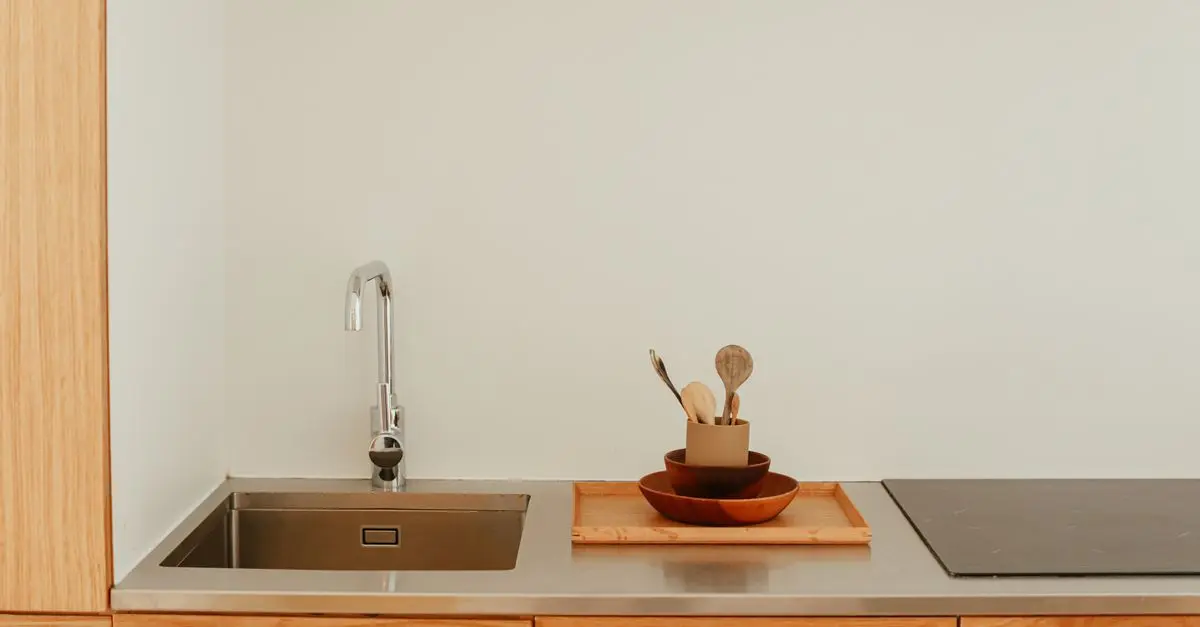
For instance, manufacturers are now creating kitchen appliances that incorporate bamboo and other renewable materials, combining aesthetics with sustainability. Additionally, using materials with a lower carbon footprint in production processes is crucial for reducing the overall greenhouse gas emissions associated with appliances.
According to Greenpeace, consumer awareness about eco-friendly materials is growing, with nearly 70% of recent surveys indicating that buyers prefer products made from sustainable resources. This shift is forcing companies to adapt their manufacturing processes to remain competitive.
💡 Expert Insight: As a conscious consumer, look for certifications and labels that indicate the use of eco-friendly materials when shopping for appliances, which will further motivate manufacturers to maintain sustainable practices.
4. Water Conservation Technologies
Water conservation is another critical focus in sustainable appliance trends. With increasing water scarcity issues globally, manufacturers are developing appliances designed for optimal water efficiency.
High-efficiency washing machines, dishwashers, and water filtration systems aim to reduce water use dramatically while enhancing performance. For example, modern dishwashers can now use as little as 3 gallons of water per load compared to up to 10 gallons for older models.
Statistics show that the adoption of water-saving appliances has led to a 20% reduction in water usage across households in urban areas, according to the International Water Association. Moreover, these appliances not only help conserve water but often decrease water heating costs, contributing to overall energy savings.
💡 Expert Insight: Choosing appliances with water-efficient designs can significantly impact long-term water savings for both the environment and your wallet.
5. Circular Economy Practices
The circular economy is a significant trend shaping how we think about appliance sustainability. This model focuses on longevity, repairability, and recyclability. Manufacturers are designing products that are easier to repair and maintain, prolonging their lifecycle and reducing waste.
For instance, brands are now offering spare parts, user-friendly repair guides, and limited-warranty programs that encourage consumers to fix instead of replace. The Ellen MacArthur Foundation estimates that embracing circular practices can help reduce greenhouse gas emissions by as much as 39% by 2030 across the household appliance sector. This shift is essential for decreasing landfill waste and harnessing a sustainable cycle of production.
💡 Expert Insight: For appliances that support a circular economy, seek out brands that emphasize durability and provide repair resources, ensuring you contribute to a more sustainable future.
6. Sustainable Supply Chains
Finally, the trend of ensuring sustainability throughout the supply chain is increasingly relevant. Consumers are demanding transparency in sourcing materials and ethical production methods. Brands are responding by adopting practices that minimize their carbon footprint and promote social responsibility.
Research shows that around 60% of consumers want to know where the materials in their appliances come from and prefer purchasing from companies that prioritize ethical practices. By investing in sustainable supply chains, manufacturers not only cater to consumer demands but also contribute to broader environmental goals.
💡 Expert Insight: By choosing brands that align with your values, you are making a statement about the importance of sustainability in every step of the production process.

DIGICVAC ABS Car Vacuum Cleaner Portable Powerful Wireless Vacuum Cleaner Home Carpet Cleaner Home Appliance Mini Cleaning Machine
shop.simon.com

DIGICVAC ABS Car Vacuum Cleaner Portable Powerful Wireless Vacuum Cleaner Home Carpet Cleaner Home Appliance Mini Cleaning Machine
shop.simon.com

BELIBUY ABS Wireless Vacuum Cleaner Appliance Portable Powerful Handheld Vacuum Cleaner, Suitable for Cleaning Sofas Carpets and Debris
shop.simon.com
Glossary
| Term | Definition |
|---|---|
| Energy Efficiency | The ability of an appliance to use less energy to perform the same function as a standard appliance. |
| Circular Economy | An economic system aimed at eliminating waste and encouraging the continual use of resources. |
| Smart Appliances | Devices that use internet connectivity to enhance their functionality and efficiency through data monitoring. |
Checklist before purchase
- [ ] Research energy ratings.
- [ ] Verify the use of eco-friendly materials.
- [ ] Consider the longevity and repairability of the appliance.
- [ ] Check for water-saving features.
- [ ] Ensure the appliance is part of a sustainable supply chain.
🧠 Quick Quiz: Which appliance is considered the most energy-efficient?
- A) Traditional Refrigerator
- B) Energy Star-rated Refrigerator
- C) Old Washing Machine
Answer: B — Energy Star-rated refrigerators use significantly less energy.
📺 To go further: Discover how smart appliances shape the future of sustainability by searching on YouTube: smart home sustainability trends 2026.
Conclusion
Choosing appliances aligned with sustainable trends is no longer just a choice but a responsibility. By integrating energy-efficient models, leveraging smart technology, and embracing eco-friendly practices, we can contribute to a healthier planet while enjoying modern conveniences.
Now is the time to dive into these trends and revolutionize your home into a sustainable sanctuary.
Recommended Products
- - - ---
📺 Pour aller plus loin : smart home sustainability trends 2026 sur YouTube
Recommended products
Selected by our experts