Table of Contents (18 sections)
The landscape of home appliances is undergoing a transformative shift with groundbreaking smart appliance innovations that not only enhance convenience but also promote sustainability and efficiency. This article highlights the major trends emerging in 2026 that are reshaping the way we interact with our home technologies.
1. Enhanced Connectivity and IoT Integration
In 2026, the advent of powerful IoT (Internet of Things) integration is revolutionizing smart appliances. This connectivity allows devices to communicate with each other, improving automation in households significantly. Smart refrigerators are now equipped with features that can sync with users' calendars to suggest meal preparations based on available ingredients. For instance, some models allow remote access via smartphone apps, enabling users to monitor and control their appliances from anywhere. According to a report by Statista, about 75% of households in developed regions are expected to own at least one smart appliance by the end of 2026. This emphasizes the shift towards a connected home environment where convenience and efficiency are paramount.
2. Sustainability-Centric Innovations
Sustainability is at the forefront of appliance design in 2026. As more consumers prioritize eco-friendliness, brands are responding by offering energy-efficient appliances that not only minimize energy consumption but also lower utility bills. For example, new washing machines now feature smart sensors that adjust water levels and cycle times based on load size, significantly reducing water wastage. The International Energy Agency estimates that energy-efficient appliances could reduce household energy use by 20-30% over the next few years. This trend highlights a growing consumer demand for products that align with sustainable living principles.

WHALL - 2 Slice Toaster, Toasters 2 slice, Smart Bread Toaster, Touchscreen Toaster wide slots - Stainless Steel
bestbuy.com


3. AI-Powered Customization
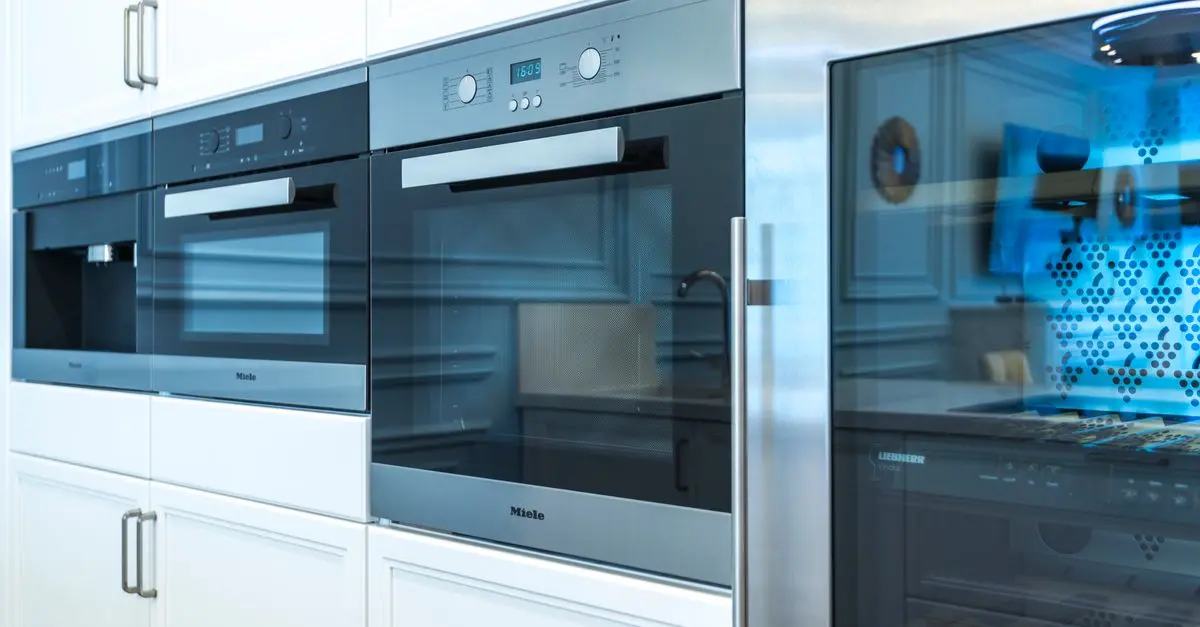
Artificial Intelligence (AI) is playing an increasingly crucial role in personalizing user experience. Smart ovens and cooking appliances equipped with AI can learn users' cooking habits and preferences, suggesting recipes or cooking techniques based on individual tastes. This not only enhances the culinary experience but also promotes healthier cooking practices as users receive nutritional feedback on their choices. A recent study by McKinsey & Company indicates that nearly 40% of consumers express interest in AI-driven kitchen technology that adapts to their cooking habits, making this a vital trend in appliance innovation.
4. Voice-Controlled Appliances
Voice control technology is gaining traction in the smart appliance market, making home tasks more accessible and hands-free. Devices such as smart speakers are now seamlessly integrated into household appliances, allowing users to operate them through simple voice commands. From adjusting the thermostat to starting a washing cycle, the convenience of voice activation removes barriers and enhances usability. Additionally, according to Pew Research, nearly 50% of households are likely to utilize voice assistants for home management tasks by 2026, revolutionizing the interaction dynamics between users and their appliances.
5. Advanced Health Monitoring Features
As we become more conscious of health and wellness, smart appliances are evolving to include health monitoring capabilities. For instance, refrigerators are now designed to track food rotation dates and notify users of expired items, helping to prevent food waste while encouraging healthier eating habits. Moreover, smart air quality monitors integrated within home systems can detect pollutants and allergens, prompting users to take action to improve their indoor environment. This trend is backed by increasing health awareness among consumers looking to create healthier living spaces.
6. Smart Home Ecosystems
The concept of a cohesive smart home ecosystem, where multiple devices work together in a harmonious network, is gaining momentum. Brands are emphasizing interoperability, allowing appliances from different manufacturers to communicate and function together. For instance, a smart thermostat can communicate with a smart air purifier, adjusting air quality based on real-time temperature and humidity data, leading to optimized home environments. Research from Gartner predicts that by 2026, a significant portion of smart home devices will operate within interconnected ecosystems, enhancing user experiences through streamlined operations and improved energy efficiency.
7. Security Features in Smart Appliances
Security remains a primary concern for consumers adopting smart appliances. Modern devices now incorporate advanced security measures to protect user data and ensure safety. From built-in security cameras in refrigerators to monitor contents to washing machines that alert users of issues via smartphone notifications, security features are tailored to instill confidence. According to various surveys, around 60% of users are likely to consider security features as a significant factor in their purchasing decisions for smart appliances in 2026.
Comparative Analysis of Leading Smart Appliances
| Feature | Smart Refrigerator | Smart Washer | Smart Oven | Smart Air Purifier |
|---|---|---|---|---|
| Voice Control | Yes | Limited | Yes | Yes |
| Energy Efficiency Rating | A+++ | A++ | A+ | A+++ |
| AI-Powered Features | Yes | No | Yes | Yes |
| Mobile App Integration | Yes | Yes | Yes | Yes |
1. What are smart appliances?
Smart appliances are devices that connect to Wi-Fi, allowing remote control and monitoring through the Internet.
2. How do smart appliances enhance energy efficiency?
They use advanced technologies to optimize energy consumption based on usage patterns, reducing waste.
3. Are voice-controlled appliances user-friendly?
Yes, they facilitate hands-free operation, making it easier for users to manage tasks without manual input.
4. What should I consider when selecting a smart appliance?
Evaluate energy efficiency, connectivity features, and security measures among others.
Checklist before purchase
- [ ] Assess energy efficiency ratings
- [ ] Check for user-friendly mobile app capabilities
- [ ] Look for integrated security features
- [ ] Consider the appliance's ability to connect with other smart devices
- [ ] Review customer feedback on performance
Glossary
| Term | Definition |
|---|---|
| Smart Appliance | A device that connects to the Internet and is capable of being controlled remotely. |
| IoT (Internet of Things) | The interconnection of devices through the Internet that allows them to communicate and exchange data. |
| Energy Efficiency | The ratio of useful output of services from an appliance to the energy input, expressing how effectively energy is utilized. |
📺 For going further: Explore the latest in smart home technology, a complete overview of smart appliances in 2026. Search on YouTube: "smart appliance innovations 2026".
Conclusion
As 2026 unfolds, the integration of innovative technologies into smart appliances continues to reshape our day-to-day lives. By staying informed about these trends, consumers can make wise purchasing decisions that enhance not only convenience but also sustainability and health. Be on the lookout for ongoing advancements that promise to make our homes smarter, safer, and more efficient.
Call to Action: Ready to upgrade your home with the latest smart appliance innovations? Explore our recommended products below to find the perfect fit for your lifestyle.
📺 Pour aller plus loin : smart appliance innovations 2026 sur YouTube
Recommended products
Selected by our experts
WHALL - 2 Slice Toaster, Toasters 2 slice, Smart Bread Toaster, Touchscreen Toaster wide slots - Stainless Steel
bestbuy.com
This smart toaster adds convenience with its touchscreen controls, allowing for easy customization of toasting levels.
Thor Kitchen - 24" Dishwasher - Stainless Steel
bestbuy.com
This dishwasher combines efficiency with performance, ideal for busy households needing reliable cleaning power.
Govee Smart Air Quality Monitor - 2-Pack
govee.com
Air quality monitors are essential for managing health and ensuring a clean living environment in your home.